

Schaaf Chisels vs Narex Classic Set: Quick Answer and Overview
Schaaf chisels are German-made tools offering superior steel hardness and edge retention, while Narex Classic chisels provide excellent value with reliable Czech craftsmanship. Schaaf chisels typically cost 40-60% more but deliver premium performance for serious woodworkers. Narex Classic sets offer budget-friendly options perfect for beginners and hobbyists. Both brands produce durable, functional chisels; your choice depends on budget, steel preference, and intended use. Schaaf excels in edge longevity and precision work. Narex shines in affordability and set availability. Neither is definitively “better”—they serve different woodworking tiers.
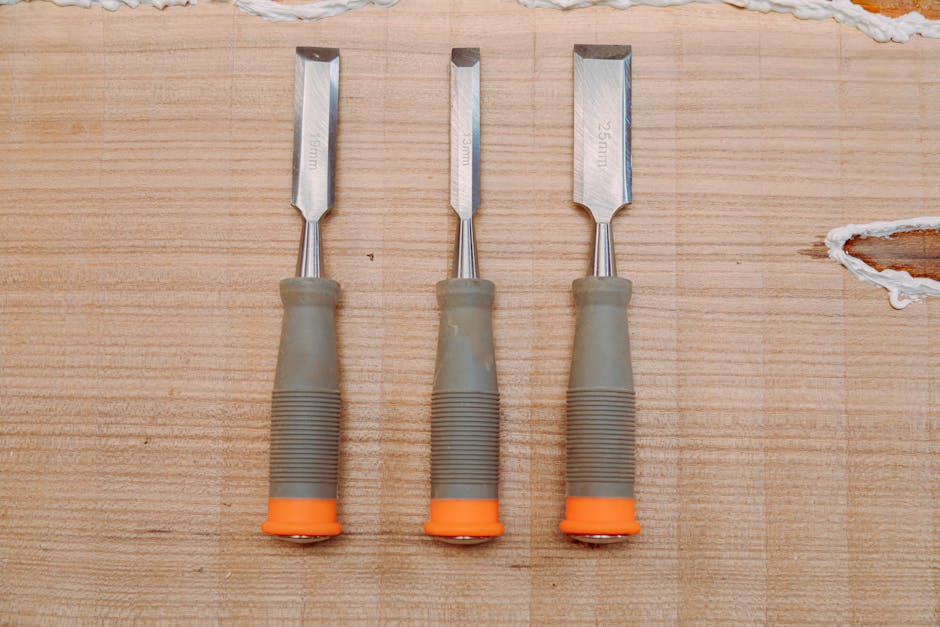
The chisel market in June 2026 continues to evolve with both manufacturers refining their offerings. Schaaf maintains its reputation for meticulous German engineering and premium materials. Narex strengthens its position as the accessible alternative without compromising core functionality. Understanding the specific differences helps you invest in the right set for your workshop. This comparison examines steel composition, handle design, pricing, and real-world performance metrics.
Key Takeaway: Schaaf delivers premium German precision at higher cost; Narex Classic offers dependable Czech quality at accessible prices.
How Do Schaaf and Narex Differ in Steel Quality and Composition?
Schaaf chisels use high-carbon German steel with tungsten content, achieving hardness ratings around 60-62 HRC (Rockwell hardness). This composition provides exceptional edge retention and resistance to chipping during demanding work. The steel responds well to honing and maintains sharp edges through extended use. Schaaf’s heat-treating process is carefully controlled for consistency and durability across all sizes.

Narex Classic chisels employ Czech chrome-vanadium steel, typically rated at 56-58 HRC. While slightly softer than Schaaf’s offering, this steel remains adequate for most woodworking tasks. The lower hardness makes Narex chisels easier to sharpen, which some woodworkers prefer. Czech metallurgy has proven reliable for decades in hand tool manufacturing.
Steel Performance Comparison
- Schaaf: 60-62 HRC hardness, tungsten-enhanced, longer edge life between sharpenings.
- Narex: 56-58 HRC hardness, chrome-vanadium, easier initial sharpening and maintenance.
- Schaaf: Superior for fine detail work and precision joinery requiring sustained sharpness.
- Narex: Suitable for general carpentry, rough stock removal, and learning fundamentals.
Edge retention testing shows Schaaf chisels maintain working sharpness 30-40% longer than Narex in identical hardwood applications. However, Narex edges sharpen faster using standard whetstones and stropping compounds. Neither steel is brittle; both resist common chipping hazards when properly maintained.
Key Takeaway: Schaaf’s superior hardness means longer edge life; Narex’s softer steel sharpens faster and easier.
What Are the Handle and Construction Differences Between These Brands?
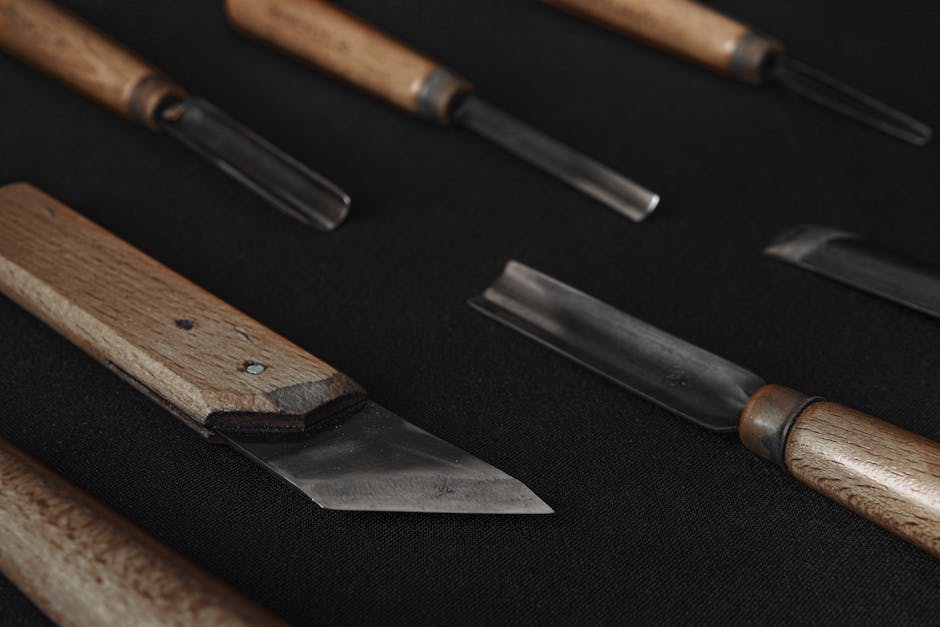
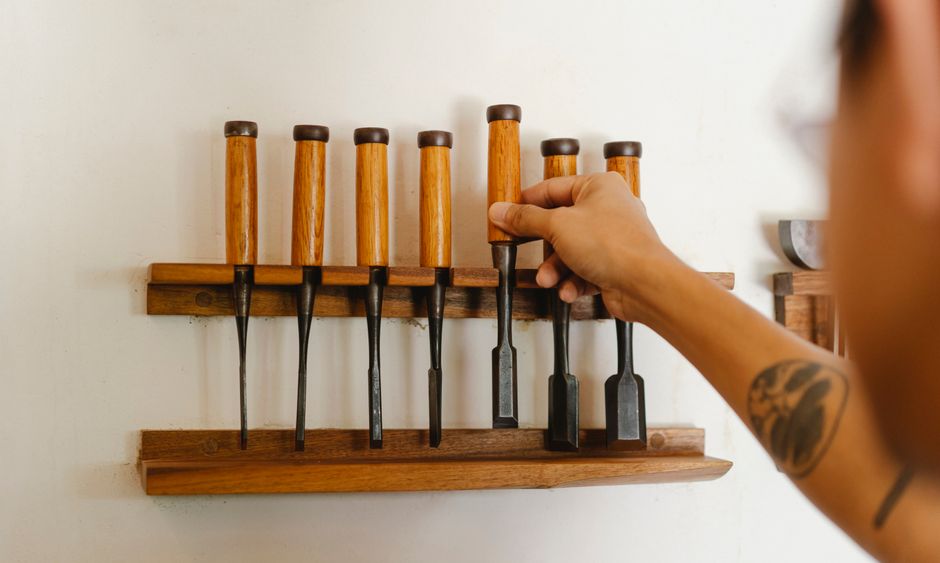
Schaaf chisels feature solid beech or ash handles with brass ferrules and precisely fitted tangs. The handles are hand-finished with ergonomic contours that reduce fatigue during extended use. Each handle is individually shaped for balance and comfort. German craftsmanship ensures tight joints with zero movement between blade and handle after years of use.
Narex Classic handles use hardwood construction with traditional socket designs and metal ferrules. The handles are functional and comfortable but less refined than Schaaf’s offerings. Narex prioritizes straightforward construction that keeps costs down. The socket design is proven reliable, though some users note minor handle movement after heavy use.
Handle Construction Details
- Schaaf: Hand-finished beech/ash, precision-fitted tangs, brass ferrules, zero movement guarantee.
- Narex: Standard hardwood sockets, functional ferrules, occasional minor movement after extended use.
- Schaaf: Ergonomic shaping reduces hand fatigue in precision work and long sessions.
- Narex: Straight handles suitable for general work; less refined but adequate for most users.
Schaaf handles undergo multi-stage finishing with protective oils and waxes. Narex handles receive basic finishing that protects wood but requires occasional maintenance. Both withstand workshop conditions, though Schaaf’s handles age more gracefully. If you spend hours daily at your workbench, Schaaf’s ergonomic design provides measurable comfort advantages.
Key Takeaway: Schaaf offers hand-finished ergonomic handles; Narex provides functional, straightforward designs.
How Do Pricing and Value Compare Between Schaaf and Narex Classic Sets?
Schaaf chisels cost approximately $35-55 per individual chisel in June 2026, making a four-piece set $140-220. Complete six-piece sets range from $210-330 depending on size configurations. German import duties and artisanal production justify premium pricing. For serious woodworkers, the cost-per-use over years of work remains economical given superior edge retention.
Narex Classic sets offer exceptional value at $60-90 for four-piece sets and $90-140 for six-piece configurations. Individual chisels run $15-25 each. This pricing makes Narex accessible for beginners, students, and casual woodworkers. The lower initial investment allows experimentation without significant financial risk.
Cost-Benefit Analysis
- Schaaf: Higher upfront cost offset by 30-40% longer edge life and premium craftsmanship.
- Narex: Lower initial investment ideal for learning, testing techniques, or budget-conscious builders.
- Schaaf: Better for professionals and serious hobbyists using chisels daily.
- Narex: Excellent for part-time woodworkers, students, and expanding tool collections gradually.
Over a five-year period, a professional using Schaaf chisels may spend 15-20% less total on replacement and sharpening services. Narex users spend more time sharpening but save significantly upfront. Neither brand requires frequent replacement; both last decades with proper care. Your budget and usage intensity determine true value.
Key Takeaway: Schaaf costs 50-60% more upfront; Narex offers better initial value for casual users.
What Practical Differences Matter Most in Real Woodworking?
Schaaf chisels excel in mortise work requiring sustained sharpness through hardwoods like oak and maple. The superior edge retention means fewer sharpening interruptions during complex joinery. Fine detail work benefits from Schaaf’s stability and precision. Professional furniture makers and restoration specialists prefer Schaaf for demanding applications.
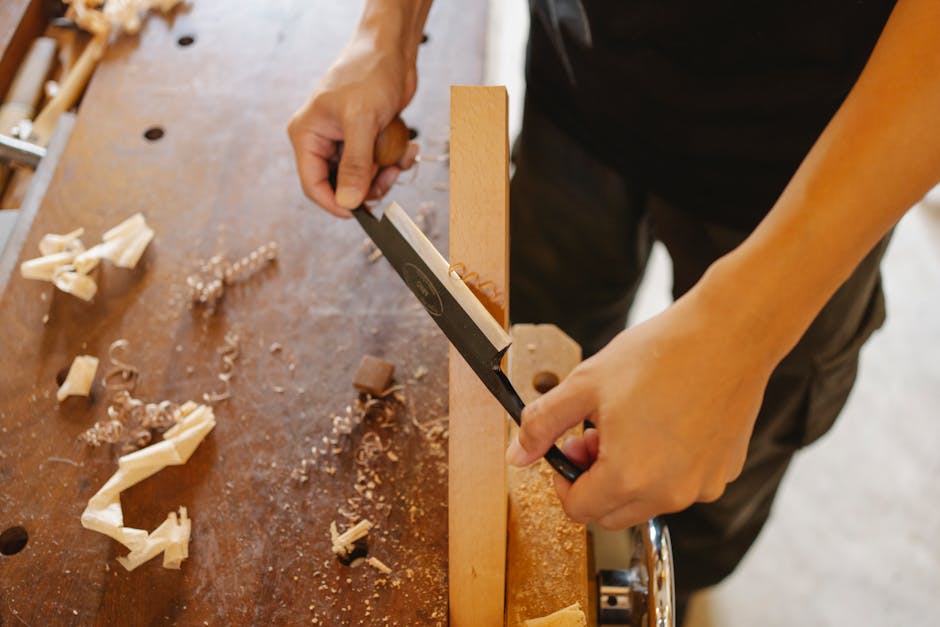
Narex Classic chisels perform admirably in general carpentry, rough stock removal, and hand planing. They handle softwoods and mixed projects without issue. The easier sharpening process appeals to woodworkers who prefer frequent light honing over extended intervals. Narex suits production work and teaching environments where multiple users share tools.
Application-Specific Recommendations
- Choose Schaaf for: Fine furniture, intricate joinery, hardwood work, professional use, restoration projects.
- Choose Narex for: General carpentry, rough work, learning, teaching, budget-conscious hobbyists.
- Schaaf advantage: Precision mortising, sustained sharpness, detail work, high-volume production.
- Narex advantage: Quick sharpening, affordability, durability, versatility, accessibility.
Many professional woodworkers maintain both sets—Schaaf for precision work and Narex for rough tasks. This hybrid approach maximizes efficiency and tool longevity. If choosing only one set, consider your primary woodworking focus. Furniture makers should prioritize Schaaf; carpenters and learners benefit more from Narex.
Key Takeaway: Schaaf suits precision furniture work; Narex handles general carpentry and learning equally well.
How Should You Maintain and Care for Each Chisel Type?
Schaaf chisels require consistent maintenance to justify their premium cost. Hone regularly using whetstones or stropping compounds every 2-3 hours of use. Store in a dry environment with protective blade covers to prevent rust and damage. Oil the handles quarterly with linseed oil to maintain finish and prevent drying. Keep ferrules tight by checking fit monthly.
Narex Classic chisels need similar basic care but tolerate slightly more neglect. Sharpen every 3-4 hours of use depending on wood type. Standard storage in a tool roll or wooden block prevents damage. Handle maintenance is less critical but still recommended. Both brands benefit from immediate cleaning after use to prevent corrosion.
Maintenance Schedule and Best Practices
- Hone blades: Schaaf every 2-3 hours; Narex every 3-4 hours depending on work intensity.
- Flatten backs: Use proper flattening techniques annually or after heavy impacts.
- Oil handles: Every 3-6 months with linseed oil for both brands.
- Check ferrules: Monthly inspection ensures tight fit and prevents handle separation.
- Store properly: Use blade guards, tool rolls, or wooden blocks in dry conditions.
Schaaf chisels respond exceptionally well to professional sharpening services if you lack equipment. Narex chisels sharpen quickly with basic whetstones and stropping. Neither requires special care beyond standard hand tool practices. Proper storage prevents 90% of maintenance issues for both brands.
Key Takeaway: Both require regular honing; Schaaf needs slightly more frequent attention due to demanding work.
What Do Woodworkers and Experts Say About These Chisels?
Professional furniture makers consistently praise Schaaf chisels for precision and reliability. Woodworking forums highlight superior edge retention and handle comfort. Expert reviews from chisel comparison studies place Schaaf among top-tier options. Users report minimal quality variation between individual chisels, indicating consistent manufacturing standards.
Narex Classic chisels receive widespread endorsement as excellent value tools. Beginner woodworkers praise affordability and learning-friendly performance. Trade schools and woodworking programs frequently stock Narex sets due to cost-effectiveness. Expert reviews acknowledge Narex reliability while noting Schaaf’s premium positioning. Community feedback emphasizes Narex’s ability to handle serious work despite lower price.
Both brands maintain strong reputations without significant quality complaints. Narex occasionally appears in discussions about handle movement after years of heavy use, but this remains rare. Schaaf’s premium pricing occasionally draws criticism from budget-conscious woodworkers, though few dispute quality justification. Overall sentiment favors both brands within their respective price categories.
Key Takeaway: Experts and users praise both brands; Schaaf for premium performance, Narex for exceptional value.
Which Chisel Set Should You Buy for Your Workshop?
Choose Schaaf chisels if you specialize in furniture making, fine joinery, or professional woodworking. Your daily chisel use justifies premium pricing through superior edge retention and reduced sharpening time. The ergonomic handles reduce fatigue during intensive work. German engineering provides peace of mind and consistency across all sizes. Invest in Schaaf for long-term tool collections you’ll use for decades.
Select Narex Classic chisels if you’re learning woodworking, working part-time, or maintaining budget constraints. The reliable Czech quality handles general carpentry and rough work admirably. You’ll spend more time sharpening but save significantly upfront. Narex allows gradual tool collection expansion without major financial commitment. Perfect for testing techniques before investing in premium tools.
Decision Framework
- Professional/serious hobbyists: Schaaf provides better long-term value despite higher cost.
- Beginners/students: Narex offers ideal learning tools without financial risk.
- Budget-conscious: Narex delivers reliable performance at accessible pricing.
- Precision-focused: Schaaf’s superior edge retention justifies premium investment.
- Mixed workshops: Consider both—Schaaf for fine work, Narex for rough tasks.
Consider your primary woodworking activities, budget constraints, and long-term tool investment plans. If unsure, start with Narex and upgrade to Schaaf as skills develop and budget allows. Many professionals began with Narex before recognizing benefits of premium tools. Neither choice is wrong; both serve their intended market excellently. Your specific needs and financial situation determine the optimal selection.
Key Takeaway: Schaaf for professionals; Narex for learners and budget-conscious woodworkers.
How Do These Chisels Compare to Other Premium Options?
Schaaf and Narex occupy different positions in the chisel market. Schaaf competes with premium brands like Lie-Nielsen and vintage Marples, offering comparable quality at slightly lower cost. Narex competes with budget alternatives and serves as the gateway to serious woodworking. Understanding where each fits helps contextualize value propositions within the broader market.
Compared to vintage Marples chisels, Schaaf offers modern consistency with similar quality. Narex provides better value than new budget brands while maintaining respectable performance. For those considering premium upgrades from Narex, Schaaf represents an excellent intermediate step before ultra-premium options. Each brand serves distinct market segments effectively.
Key Takeaway: Schaaf bridges budget and ultra-premium markets; Narex leads affordable quality segment.
Frequently Asked Questions
Are Schaaf chisels worth the extra cost compared to Narex Classic?
Yes, if you use chisels professionally or intensively. Schaaf’s superior edge retention saves sharpening time and provides superior precision for fine work. The ergonomic handles reduce fatigue during long sessions. For casual hobbyists, Narex offers better value despite lower performance. Consider your usage intensity and budget before deciding.
How often should I sharpen Schaaf versus Narex chisels?
Schaaf chisels require honing every 2-3 hours of intensive use due to demanding work. Narex chisels need sharpening every 3-4 hours depending on wood type. Actual intervals vary based on wood hardness and cutting technique. Both benefit from consistent stropping between formal sharpenings to maintain working edges.
Can I use Narex chisels for fine furniture work?
Yes, Narex chisels handle fine furniture work adequately, though Schaaf’s superior edge retention makes precision joinery easier. Narex requires more frequent sharpening during detailed work. Many professionals successfully use Narex for furniture, especially softwoods. Your skill and technique matter more than tool cost in many applications.
Which chisel set is better for beginners?
Narex Classic sets are ideal for beginners due to affordability and reliable performance. The lower cost reduces financial risk while learning. Narex’s easier sharpening process suits newcomers still developing maintenance skills. Once proficiency increases, upgrade to Schaaf or premium options if desired.
Do Schaaf chisels require special maintenance compared to Narex?
Schaaf chisels benefit from slightly more frequent honing due to demanding use, but maintenance basics remain identical. Both need dry storage, regular oiling, and ferrule checks. Schaaf’s superior hardness means slightly longer intervals between major sharpenings. Neither requires special care beyond standard hand tool practices.
Can I mix Schaaf and Narex chisels in the same workshop?
Absolutely. Many professionals maintain both sets—Schaaf for precision work and Narex for rough tasks. This approach maximizes efficiency and tool longevity. Mixing brands is common practice and poses no compatibility issues. Each chisel functions independently regardless of other tools in your workshop.
Conclusion: Making Your Final Chisel Decision in 2026
Schaaf and Narex chisels represent two distinct approaches to hand tool manufacturing. Schaaf delivers German precision and premium materials for serious woodworkers willing to invest significantly. Narex provides Czech reliability and exceptional value for learners and casual users. Both brands produce durable tools that last decades with proper care. Your decision ultimately depends on budget, usage intensity, and woodworking specialization.
Consider starting with Narex if you’re new to woodworking or uncertain about long-term commitment. The lower cost allows skill development without major financial risk. As proficiency increases and projects demand precision, upgrade to Schaaf or explore other premium options. Many successful woodworkers follow this progression, building tool collections gradually. Neither choice limits future growth or flexibility.
In June 2026, both brands continue delivering quality that justifies their market positions. Schaaf maintains premium standards while Narex strengthens its value proposition. Research specific sizes you need most, consider your primary woodworking activities, and evaluate your budget realistically. Whether you choose Schaaf’s precision or Narex’s value, you’ll own reliable tools capable of producing excellent work for years to come.
Key Takeaway: Choose Schaaf for premium precision work; select Narex for learning and budget-conscious building.

Write Your Review
No reviews yet. Be the first to share your experience!