

What’s the Real Value Difference Between Lie Nielsen and Narex Chisels in 2026?
Lie Nielsen chisels command premium prices—typically $50–$150 per tool—while Narex chisels cost $15–$40. Both deliver excellent edge retention and durability for serious woodworkers. Lie Nielsen offers heirloom-quality construction with hand-forged blades and premium A2 tool steel. Narex provides Czech-made precision at a fraction of the cost, using hardened steel and solid engineering. For hobbyists and budget-conscious professionals, Narex represents outstanding value. For collectors and those demanding maximum performance, Lie Nielsen justifies its investment. The choice depends on your budget, project demands, and whether you prioritize heritage craftsmanship or practical affordability.
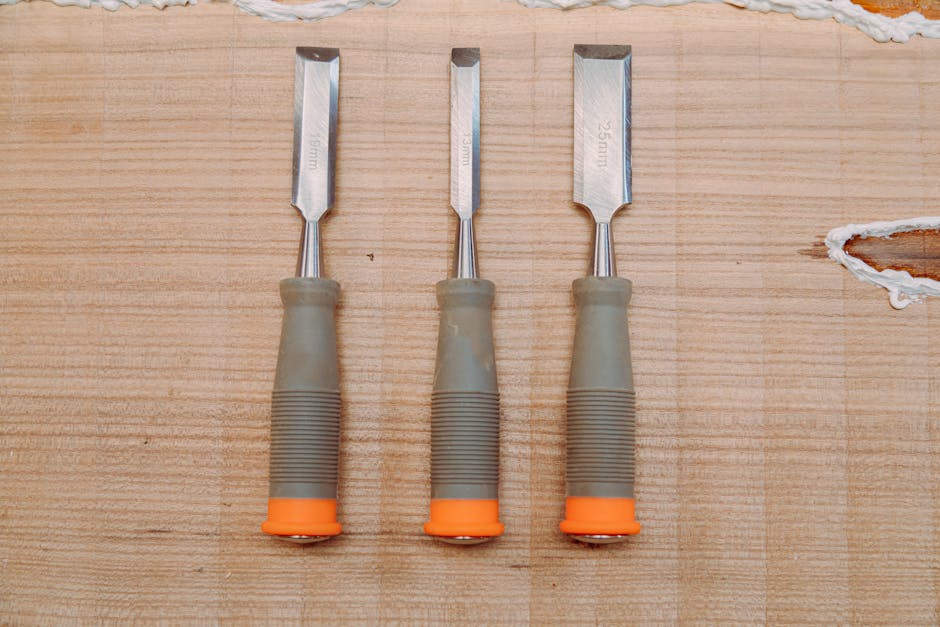
Choosing between these two brands requires understanding what each excels at. Lie Nielsen has built a reputation since 1981 for hand-forged tools that improve with age. Narex, a Czech manufacturer with decades of experience, focuses on delivering reliable performance without the premium markup. Both brands have loyal followings in woodworking communities. Neither is a “wrong” choice—it’s about matching your needs to your budget.
How Do Lie Nielsen Chisels Compare in Quality and Construction?
Lie Nielsen manufactures chisels using traditional hand-forging techniques combined with modern metallurgy. Each chisel features A2 tool steel blades that hold an edge longer than standard carbon steel. The handles are crafted from hardwood with brass ferrules, designed to withstand repeated mallet strikes. Every tool undergoes rigorous quality control before leaving the workshop.
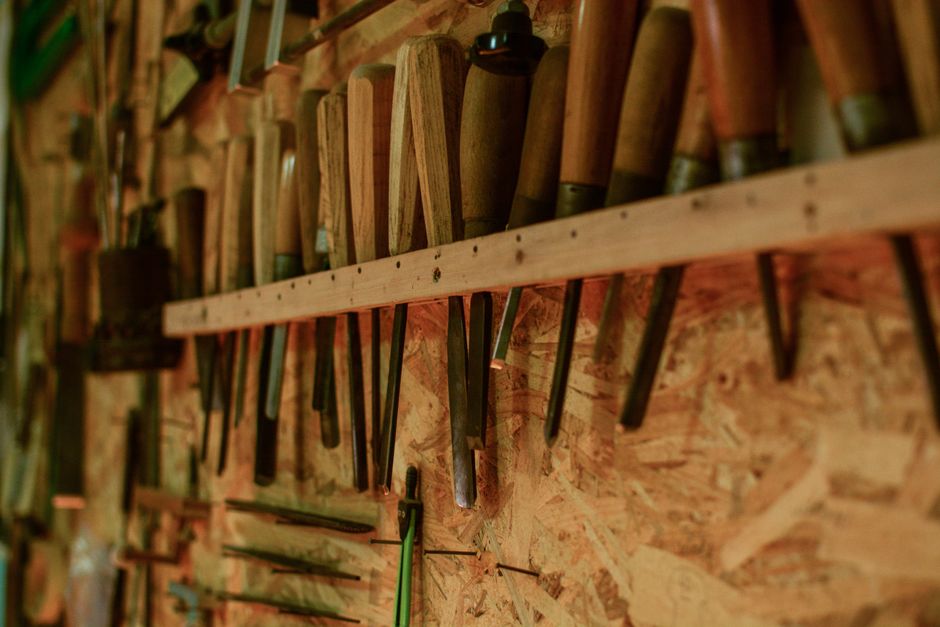
The construction process is meticulous. Lie Nielsen blacksmiths forge each blade individually, creating unique grain structures that enhance durability. The bevel is ground to precise angles—typically 25 degrees for bench chisels. Handles receive hand-finishing to ensure comfort and longevity. This attention to detail justifies the higher price point.
Lie Nielsen’s Steel and Edge Retention
A2 tool steel is the secret behind Lie Nielsen’s legendary edge retention. This air-hardening steel resists chipping and maintains sharpness through extended use. Compared to O1 carbon steel used in budget chisels, A2 requires less frequent honing. The trade-off is slightly more difficulty in sharpening, though most woodworkers consider this worthwhile.
- A2 tool steel holds edges 2–3 times longer than O1 carbon steel.
- Resists thermal shock and maintains hardness at elevated temperatures.
- Requires diamond stones or specialized equipment for optimal sharpening.
- Cost premium reflects superior metallurgy and longevity.
Key Takeaway: Lie Nielsen’s A2 steel and hand-forged construction deliver unmatched durability for professionals and serious hobbyists.
What Makes Narex Chisels Such Strong Value in 2026?
Narex chisels represent Czech engineering excellence at accessible prices. Manufactured since the 1950s, Narex produces tools for both professional and amateur woodworkers. Their hardened steel blades deliver reliable performance without the premium cost. The brand has gained significant traction in North America, particularly among budget-conscious makers.
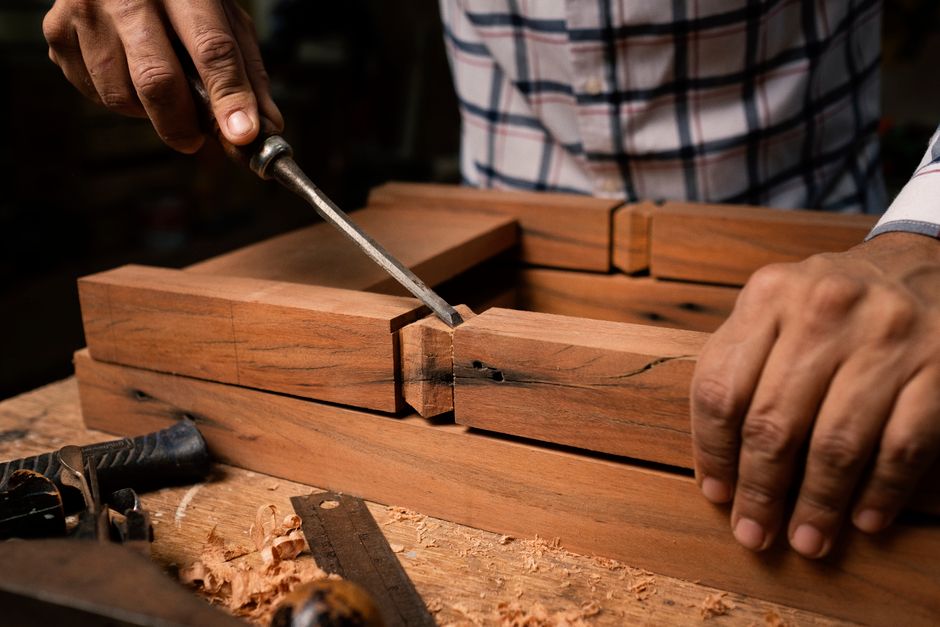
The value proposition is straightforward: quality construction at half the price of Lie Nielsen. Narex chisels sharpen easily, hold decent edges, and come with comfortable handles. For someone building a tool collection or learning woodworking, Narex eliminates financial barriers. Many professionals keep Narex chisels as backup tools or for rough work.
Narex Steel Composition and Performance
Narex uses hardened carbon steel in their chisels, typically around 55–60 HRC on the Rockwell hardness scale. This steel sharpens quickly and responds well to traditional whetstones. Edge retention is solid for general woodworking, though not as exceptional as A2 steel. The trade-off is faster sharpening and lower initial cost.
- Carbon steel sharpens 3–4 times faster than A2 tool steel.
- Requires more frequent honing during extended work sessions.
- Compatible with all sharpening methods—whetstones, strops, honing guides.
- Excellent for learning proper sharpening technique without frustration.
For detailed guidance on maintaining Narex chisels, see our complete guide to flattening Narex chisel backs.
Key Takeaway: Narex delivers reliable performance and quick sharpening at budget-friendly prices, making it ideal for beginners and tool collectors.
How Do Prices and Long-Term Value Compare?
Lie Nielsen chisels cost significantly more upfront but offer potential long-term value through durability and resale potential. A vintage Lie Nielsen chisel often sells for 70–90% of its original price. Narex chisels depreciate faster but require less initial investment. For a 5-piece set, expect to spend $300–$500 on Lie Nielsen versus $75–$150 on Narex.

Consider your woodworking timeline and frequency of use. If you work professionally or maintain an active workshop, Lie Nielsen’s edge retention saves money on sharpening supplies and time. For occasional hobbyists, Narex’s affordability means less financial risk if tools go unused.
Cost Breakdown: Entry to Advanced Sets
- Narex Entry Set (4 chisels): $60–$100, ideal for beginners.
- Narex Professional Set (6 chisels): $120–$180, suitable for serious amateurs.
- Lie Nielsen Individual Chisels: $80–$150 each, start small and build.
- Lie Nielsen Premium Sets: $400–$700 for complete collections.
Budget matters, but so does long-term satisfaction. Spending $100 on Narex chisels that you’ll use regularly beats spending $400 on Lie Nielsen tools that sit unused.
Key Takeaway: Narex offers superior entry-level value, while Lie Nielsen justifies premium pricing through durability and resale potential.
How Should You Choose Between These Brands for Your Needs?
Evaluate your woodworking style, budget, and long-term commitment. Professional cabinetmakers and full-time woodworkers benefit most from Lie Nielsen’s performance and durability. Hobbyists, students, and those learning woodworking find Narex perfectly adequate and more financially sensible. Consider also your sharpening setup—Narex works with simple whetstones, while Lie Nielsen may benefit from specialized equipment.
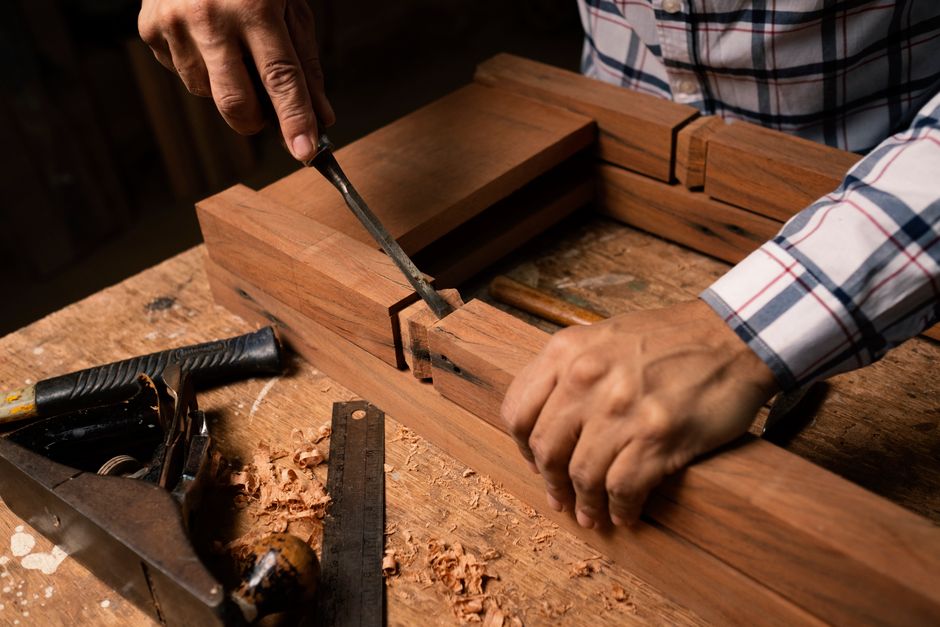
Test before buying if possible. Many woodworking clubs and makerspaces have both brands available. Borrow tools and assess comfort, balance, and feel. Personal preference matters as much as specifications.
Decision Framework for Chisel Selection
- Choose Narex if: You’re learning, budget is tight, or you work occasionally.
- Choose Lie Nielsen if: You work professionally, demand maximum performance, or collect tools.
- Mix both if: Use Narex for rough work and learning; reserve Lie Nielsen for fine detail.
- Consider quality over quantity: One excellent Lie Nielsen beats five mediocre tools.
For additional perspective on premium versus budget options, review our detailed comparison of premium chisels versus Narex.
Key Takeaway: Match your chisel choice to your skill level, budget, and frequency of use rather than brand prestige alone.
What Practical Tips Help You Get Maximum Value From Either Choice?
Regardless of which brand you select, proper maintenance and technique maximize value. Sharp chisels perform better and last longer. Learn correct sharpening methods early—it’s fundamental to tool ownership. Store tools in dry conditions to prevent rust. Use chisels for their intended purpose; avoid prying or forcing blades.
Maintenance and Care Steps
- Sharpen regularly—after every 2–4 hours of active use or when edge dulls noticeably.
- Flatten the back on whetstones or sandpaper to ensure true contact during use.
- Oil wooden handles occasionally to prevent drying and cracking.
- Store in a tool chest or wall mount to protect edges and prevent moisture damage.
- Use a honing guide initially if you’re learning; freehand sharpening develops with practice.
For step-by-step flattening guidance specific to Narex tools, consult our comprehensive Narex chisel flattening guide.
Sharpening Strategies for Each Brand
Narex chisels respond well to traditional whetstones—1000 grit for regular maintenance, 6000–8000 grit for finishing edges. Lie Nielsen chisels benefit from finer stones; many professionals use 10000 grit or higher for the best results. Diamond plates work for both but may wear faster on A2 steel. Stropping with compound maintains edges between full sharpenings.
Key Takeaway: Proper maintenance, regular sharpening, and appropriate storage maximize value and lifespan regardless of brand choice.
Which Brand Offers Better Steel Compared to Alternatives?
A2 tool steel (Lie Nielsen) and hardened carbon steel (Narex) represent different metallurgical philosophies. A2 excels in edge retention and thermal stability; carbon steel prioritizes ease of sharpening and cost efficiency. Neither is objectively superior—they serve different purposes and user preferences.
For additional context on steel differences in chisels, see our analysis of Narex Richter versus Woodriver socket chisels and their steel compositions.
- A2 Tool Steel (Lie Nielsen): Superior edge retention, resists chipping, harder to sharpen.
- Carbon Steel (Narex): Easier to sharpen, quick edge development, requires frequent honing.
- O1 Carbon Steel (Budget brands): Sharpens easily but edges dull faster than Narex.
- Stainless Steel (Some alternatives): Rust-resistant but harder to sharpen and lower edge quality.
Key Takeaway: A2 steel delivers superior edge retention for professional use; carbon steel provides practical value for hobbyists and learners.
Frequently Asked Questions
Are Lie Nielsen chisels worth the premium price in 2026?
Yes, for professionals and serious woodworkers who use tools regularly and demand maximum performance. A2 steel holds edges 2–3 times longer than alternatives, reducing sharpening time and frustration. Hand-forged construction and heirloom durability justify the investment for full-time makers. Casual hobbyists may find Narex offers better value per dollar spent.
Can Narex chisels match Lie Nielsen quality?
Narex delivers excellent quality for the price but doesn’t match Lie Nielsen’s edge retention or metallurgical sophistication. Narex chisels perform admirably for general woodworking, learning, and occasional use. Lie Nielsen excels in demanding professional applications. Both are quality tools; Narex optimizes value, while Lie Nielsen optimizes performance.
How often do you need to sharpen each brand?
Narex chisels typically need sharpening every 2–3 hours of active use, depending on wood hardness and technique. Lie Nielsen chisels can work 4–6 hours between sharpenings due to superior A2 steel. Frequency varies based on user skill, wood species, and work intensity. Proper technique reduces sharpening needs for both brands.
Do Lie Nielsen chisels hold resale value?
Yes, significantly better than Narex. Vintage Lie Nielsen chisels often sell for 70–90% of original retail price on secondary markets. Narex chisels depreciate faster but start at lower prices, reducing financial risk. If you might resell tools, Lie Nielsen represents a better long-term investment, though this shouldn’t override practical performance needs.
What size chisel should I buy first?
Start with a 1-inch or 3/4-inch bench chisel—the most versatile sizes for general work. A 1/2-inch chisel complements the first purchase well. Avoid buying complete sets initially; add specialty sizes as your projects demand them. Quality matters more than quantity when building a chisel collection.
Can you use Narex and Lie Nielsen chisels together in the same project?
Absolutely. Many professionals mix brands strategically—using Narex for rough work and Lie Nielsen for fine detail. This approach balances cost and performance. Both brands sharpen with similar methods and integrate seamlessly into any workshop. Mixing brands based on task requirements is practical and economical.
Which Chisel Brand Delivers the Best Overall Value in June 2026?
The answer depends entirely on your circumstances. Narex wins decisively on value for beginners, students, and hobbyists who work occasionally. The lower entry cost eliminates financial barriers and reduces risk if woodworking interests change. Narex chisels perform reliably for general tasks and teach proper technique without expensive mistakes.
Lie Nielsen justifies its premium for professionals, full-time woodworkers, and tool collectors who demand maximum performance and longevity. The superior A2 steel, hand-forged construction, and resale value create genuine long-term value despite higher initial cost. If you work daily and your income depends on tool quality, Lie Nielsen’s investment pays dividends.
Consider a hybrid approach: start with Narex to learn and build fundamentals, then graduate to Lie Nielsen as your skills and commitment deepen. Many experienced woodworkers maintain both brands in their shops. Neither brand is objectively superior—they optimize for different priorities. Choose based on your budget, skill level, and how seriously you’ll use the tools. The best chisel is the one you’ll actually use and maintain properly.
Final Takeaway: Narex offers unbeatable value for learners and occasional users; Lie Nielsen justifies premium pricing through performance and durability for dedicated professionals.

Write Your Review
No reviews yet. Be the first to share your experience!