
What Are the Key Differences Between Morakniv 106 and 120 Whittling Knives?
Quick Answer: The Morakniv 106 and 120 are both Swedish-made carving knives designed for whittling and detail work. The 106 features a shorter, straighter blade ideal for precision cuts on smaller projects. The 120 offers a longer, slightly curved blade better suited for larger pieces and flowing strokes. Both use high-carbon stainless steel and comfortable birch handles, but they differ in blade length, curve, and intended carving style. The 106 costs slightly less and works best for beginners, while the 120 appeals to intermediate and advanced carvers seeking versatility.
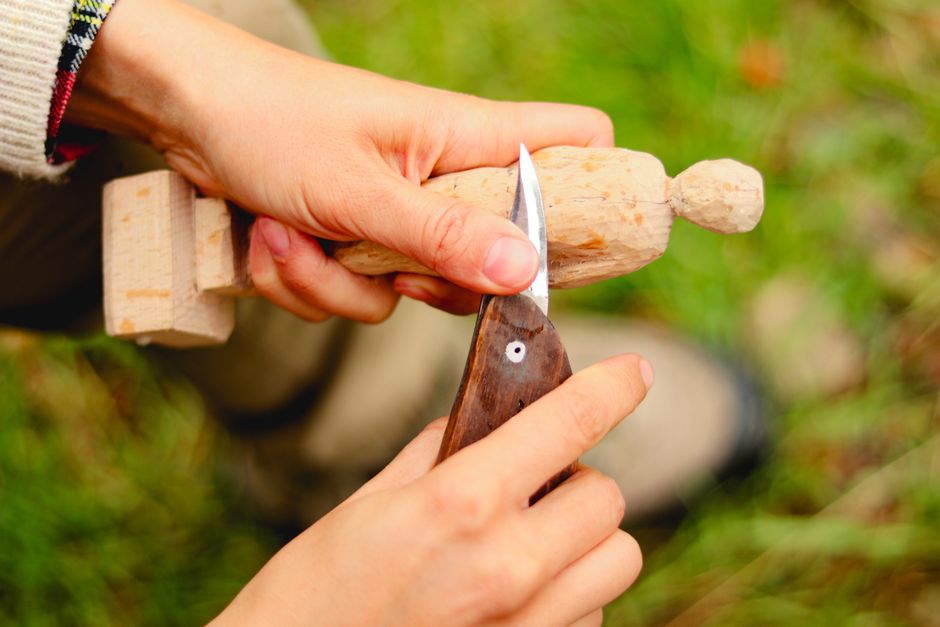
Choosing between these two Mora knives depends on your carving projects, hand size, and experience level. Both are manufactured by Mora of Sweden, a company with over 130 years of knife-making heritage. These whittling knives are trusted by hobbyists and professionals alike for their reliability and edge retention. Understanding the specific differences helps you select the right tool for your carving journey.
How Do Blade Design and Length Compare Between These Models?
The blade design is the most visible difference between the Morakniv 106 and 120. The 106 has a blade length of approximately 1.6 inches with a straight edge and minimal curve. This compact design excels at making controlled, precise cuts on small wooden surfaces. The blade is perfect for detail work where accuracy matters more than broad sweeping strokes.
The 120 blade stretches to about 2.1 inches with a gentle curve along its edge. This extra length and curvature allow for smoother, more fluid carving motions. The curve naturally follows the contours of larger pieces, making it ideal for sculptural work and relief carving. Both blades are made from high-carbon stainless steel, providing excellent edge retention and corrosion resistance.
Blade Specifications Comparison
- Morakniv 106: 1.6-inch straight blade, minimal curve, compact design.
- Morakniv 120: 2.1-inch curved blade, more pronounced curve, larger surface area.
- Both: High-carbon stainless steel, Swedish-made, sharp out of the box.
- Edge angle: Both maintain approximately 20-degree edge angle for optimal cutting.
Key Takeaway: The 106’s shorter straight blade suits precision detail work, while the 120’s longer curved blade handles larger projects and flowing strokes.
What Are the Handle Comfort and Grip Differences?
Both knives feature natural birch wood handles that provide comfort and warmth during extended carving sessions. The 106 handle is slightly smaller and lighter, making it ideal for users with smaller hands or those who prefer a nimble, responsive feel. This compact grip allows for greater control when working on intricate details.
The 120 handle is proportionally larger to balance its longer blade. The increased surface area distributes pressure more evenly across your palm during longer carving sessions. This ergonomic design reduces hand fatigue when working on bigger projects. Both handles are finished with a natural oil that protects the wood while maintaining a pleasant tactile feel.
Ergonomic Considerations
- Morakniv 106: Smaller handle, lighter weight, better for precision grip.
- Morakniv 120: Larger handle, better weight distribution, ideal for extended use.
- Both: Natural birch construction, oil-finished, comfortable for most hand sizes.
- Grip style: Both support pinch grip and three-finger carving techniques.
Key Takeaway: Choose the 106 for detailed work requiring fine control; select the 120 for comfort during longer carving sessions.
How Do Price and Value Compare for Budget-Conscious Carvers?
The Morakniv 106 typically retails for approximately 20-25 USD, making it one of the most affordable entry-level carving knives available. This low price point makes it perfect for beginners testing whether whittling is the right hobby. You get genuine Swedish craftsmanship without breaking your budget. The value proposition is exceptional for casual carvers or those building a tool collection.
The 120 costs slightly more, usually between 25-32 USD. While this represents only a modest increase, you gain a larger blade and improved ergonomics for longer sessions. For intermediate carvers planning regular projects, the 120 offers better long-term value. Both knives are durable enough to last decades with basic care, making either a solid investment.
Cost-Benefit Analysis
- 106: Lower initial investment, perfect for testing carving interest.
- 120: Slightly higher cost, better for serious hobbyists and frequent use.
- Durability: Both last 10+ years with minimal maintenance.
- Resale value: Both hold value well in the used market.
Key Takeaway: The 106 offers unbeatable value for beginners, while the 120 justifies its modest premium for regular carvers.
Which Knife Is Better for Beginners vs. Advanced Carvers?
The Morakniv 106 is the ideal starter knife for beginners learning fundamental carving techniques. Its shorter blade and lighter weight make it forgiving when learning proper cutting angles and pressure control. The compact design encourages the precision grip essential for safety and skill development. Many carving instructors recommend the 106 as the first knife in any collection.
Experienced carvers often prefer the 120 for its versatility across multiple project types. The larger blade handles both detail work and broader sculptural elements. Advanced carvers appreciate the 120’s ability to execute flowing cuts that define character in wooden pieces. However, many pros keep both knives in their toolkit, using each for specific tasks.
Skill Level Recommendations
- Beginners: Start with the 106 to master fundamental techniques safely.
- Intermediate carvers: The 120 expands your creative possibilities significantly.
- Advanced carvers: Own both for maximum versatility across project styles.
- Hobbyists: The 106 handles most casual carving needs affordably.
Key Takeaway: Beginners should choose the 106, while intermediate and advanced carvers benefit most from the 120’s versatility.
What Are Practical Tips for Choosing Between These Knives?
Start by evaluating your current carving projects and future goals. If you’re working on small animals, geometric designs, or detailed relief pieces, the 106 excels. For larger sculptures, spoon carving, or expressive relief work, the 120 provides better control and reach. Consider your hand size and grip preference—smaller hands may favor the 106, while larger hands appreciate the 120’s balance.
Visit a woodcarving community or local craft store to hold both knives if possible. The physical feel matters more than specifications alone. Many carvers find that handling the knife reveals which feels more natural. You might also consider purchasing the 106 first, then adding the 120 once you’ve developed your carving style and preferences.
Step-by-Step Selection Guide
- Assess your typical project size: small details or larger pieces?
- Measure your hand span and test both handles for comfort.
- Review your budget and long-term carving commitment level.
- Watch carving videos showing both knives in action.
- Start with the 106 if uncertain; upgrade to the 120 later.
- Consider owning both for maximum flexibility.
For carvers interested in spoon carving specifically, you might also explore BeaverCraft S01 vs S02 Spoon Carving Set comparisons to see how specialized sets compare to individual Mora knives.
Key Takeaway: Test both knives physically, consider your project types, and start with the 106 if you’re undecided.
Frequently Asked Questions
What wood types work best with Morakniv 106 and 120 knives?
Both knives excel with softwoods like basswood, butternut, and white pine. These woods are forgiving for learning and produce clean cuts. Hardwoods like oak and walnut require sharper blades and more technique. The 106’s smaller blade works better for dense woods, while the 120 handles both soft and moderately hard woods effectively.
How often do I need to sharpen these Mora knives?
With proper technique and occasional stropping, these knives stay sharp for months of regular use. Stropping on leather every few carving sessions maintains edge sharpness. Full sharpening on a whetstone is needed annually for most hobbyists. Proper storage and handling significantly extend the time between sharpenings.
Can beginners use the Morakniv 120 instead of the 106?
Yes, beginners can use the 120, though the 106 is easier to control initially. The 120’s larger blade requires more technique to manage safely. Many beginners find success with the 120 immediately, especially if they have larger hands. The 106 simply accelerates the learning curve for most new carvers.
Are Morakniv 106 and 120 knives suitable for left-handed carvers?
Both knives work well for left-handed carvers since the blade isn’t beveled asymmetrically. The straight handle design accommodates either hand naturally. Left-handed carvers should grip the knife in their dominant hand and follow the same technique as right-handed users.
What’s the difference between Morakniv carving knives and chip carving knives?
Morakniv 106 and 120 are whittling knives with curved or straight blades for sculptural work. Chip carving knives are typically V-shaped or specialized for geometric patterns. Whittling knives remove larger amounts of wood, while chip carving creates decorative surface designs. Each style requires different techniques and tools.
Do these knives come with sheaths or storage solutions?
Most Morakniv 106 and 120 knives include leather sheaths for safe storage and transport. The sheaths protect both the blade and your hands. Always store these knives in their sheaths or a knife block. Proper storage prevents accidents and maintains blade sharpness.
Which Morakniv Whittling Knife Should You Choose in 2026?
The Morakniv 106 and 120 represent excellent value in the carving knife market for 2026. The 106 is your best choice if you’re beginning your carving journey, have smaller hands, or focus on detailed precision work. Its affordable price and proven reliability make it a risk-free entry point. The 120 suits carvers ready to expand their repertoire and tackle larger, more ambitious projects.
Neither knife is objectively superior—each excels in different contexts. Many experienced carvers maintain both in their toolkit, reaching for the 106 on detail-focused days and the 120 when working on sculptures. Your ideal choice depends on your specific projects, hand size, and carving experience. Start with the 106 if uncertain, knowing you can always add the 120 later. Both knives represent Swedish craftsmanship that will serve you well for decades of creative carving.
Consider your carving goals honestly before purchasing. Visit online carving communities to see both knives in action. Read reviews from fellow carvers who share your project interests. With thoughtful consideration of these factors, you’ll select the perfect Mora knife for your 2026 carving projects.
Write Your Review
No reviews yet. Be the first to share your experience!