

What’s the Difference Between 1/2 Inch and 3/8 Inch Chuck Drills?
A drill chuck size refers to the maximum diameter of the bit shank it can hold. The 1/2 inch chuck accommodates bits up to half an inch thick, while the 3/8 inch chuck maxes out at three-eighths inch. For woodworking, this distinction matters significantly. Larger chucks grip heavier bits more securely and deliver greater torque for demanding tasks. Smaller chucks work fine for delicate work but limit your bit selection. Understanding this difference helps you choose the right tool for your specific woodworking projects and ensures you won’t face frustration mid-project.
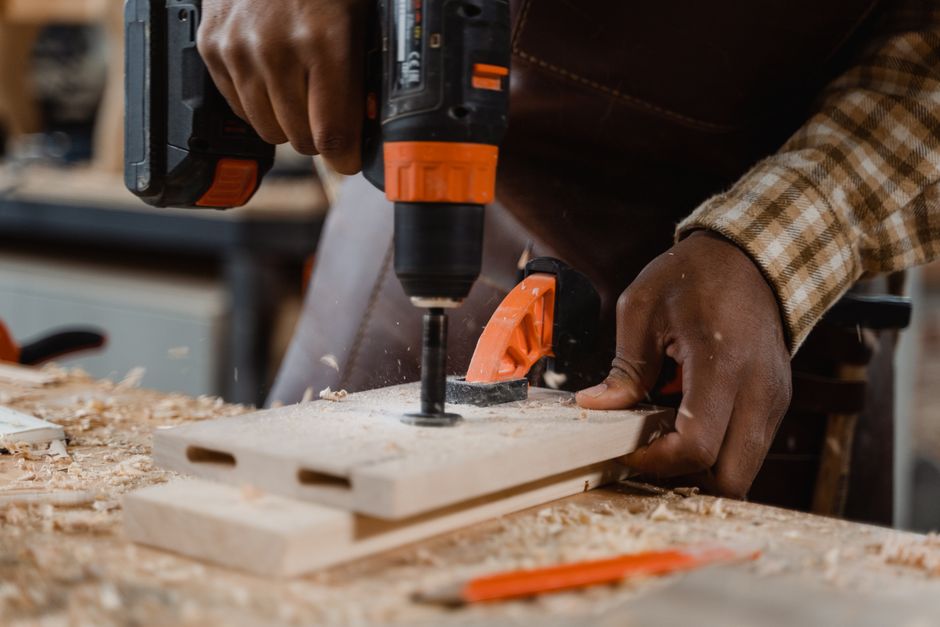
Chuck size directly impacts versatility and power delivery. A 1/2 inch chuck provides superior clamping force and stability. The 3/8 inch chuck is lighter and more maneuverable for precision work. Your choice depends on the types of projects you tackle most often and the bit sizes you need regularly.
Key Takeaway: Chuck size determines maximum bit diameter, with 1/2 inch offering more power and 3/8 inch providing better maneuverability.
How Do 1/2 Inch and 3/8 Inch Chucks Compare in Power and Torque?
Power delivery separates these two chuck sizes dramatically. A 1/2 inch chuck typically handles higher torque ratings because of its larger clamping surface. This means it can drive larger bits with more force without slipping. Woodworkers drilling through hardwoods or installing large screws benefit from this extra muscle. The 3/8 inch chuck, meanwhile, sacrifices raw power for lighter handling and precision control.
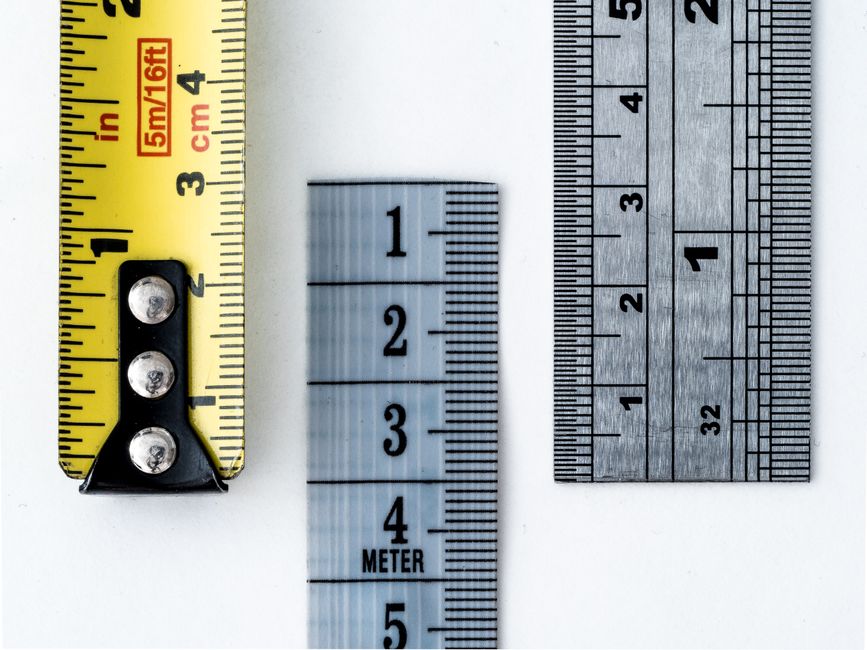
Torque specifications vary by drill model, not just chuck size. However, drills with 1/2 inch chucks generally deliver 300-400 inch-pounds of torque. Those with 3/8 inch chucks typically range from 150-250 inch-pounds. This difference becomes obvious when drilling into oak, maple, or other dense hardwoods.
Torque and Bit Size Relationship
Larger bits require more torque to cut effectively. A 1/2 inch spade bit or auger bit demands significant rotational force. Your drill must have enough power to prevent stalling or binding. The 3/8 inch chuck struggles with these larger bits because both its mechanical leverage and typical motor power fall short.
- 1/2 inch chucks excel with bits 3/8 inch diameter and larger.
- 3/8 inch chucks work best with bits under 1/4 inch diameter.
- Mid-range bits (1/4 to 3/8 inch) perform adequately in either chuck.
- Torque output varies by motor, not just chuck size alone.
Key Takeaway: The 1/2 inch chuck delivers superior torque for larger bits and dense materials, while the 3/8 inch chuck handles smaller bits with adequate control.
Which Chuck Size Works Best for Woodworking Projects?
Woodworking applications range from delicate inlay work to heavy-duty frame building. Your project type determines the ideal chuck size. Furniture makers drilling pilot holes and installing hardware often prefer the 3/8 inch chuck for its lighter weight and precision. Cabinet makers and deck builders favor the 1/2 inch chuck for handling larger bits and tougher materials consistently.
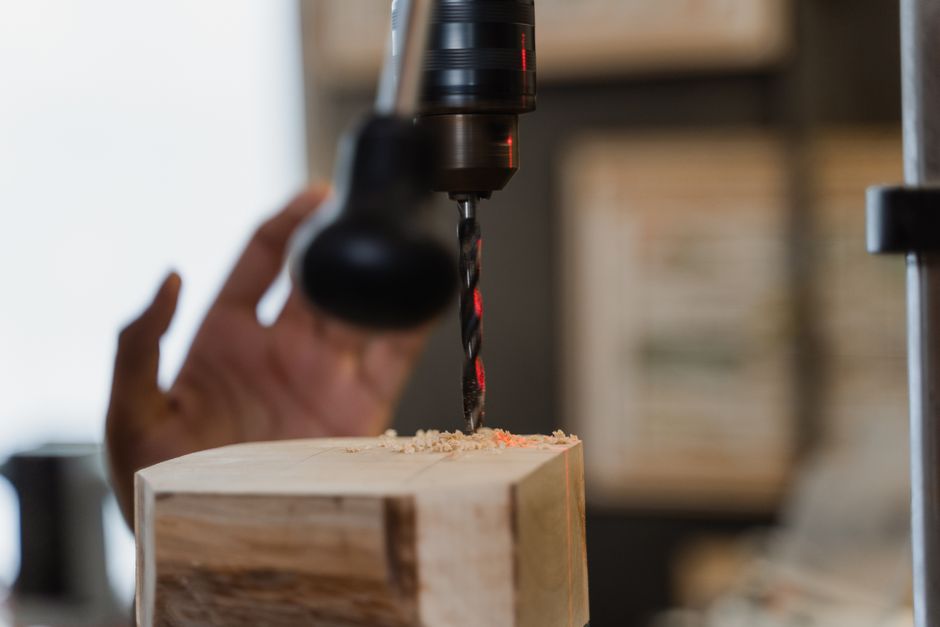
Consider your most frequent tasks. Do you primarily drill small pilot holes for screws? The 3/8 inch chuck suffices. Do you regularly use spade bits, auger bits, or large forstner bits? A 1/2 inch chuck becomes essential. Mixed projects call for owning both or choosing the larger chuck as a compromise.
Common Woodworking Tasks by Chuck Size
- 3/8 inch chuck: pilot holes, brad point bits, small dowel holes, detail work.
- 1/2 inch chuck: large diameter holes, spade bits, auger bits, heavy hardwoods.
- Both adequate: general purpose drilling, screw installation, pocket hole work.
- 1/2 inch preferred: construction work, deck building, structural fastening.
If you work with exotic hardwoods or old-growth timber, the 1/2 inch chuck’s extra power prevents stalling. Softer woods like pine and poplar work fine with either size. Your material choices influence this decision as much as your project types do.
Key Takeaway: Choose 1/2 inch for versatility and heavy work, or 3/8 inch for precision and lighter tasks.
How Does Weight and Maneuverability Compare Between These Chucks?
Drill weight significantly impacts user fatigue during extended work sessions. A 3/8 inch chuck drill typically weighs 3-5 pounds. The 1/2 inch chuck version usually tips the scales at 5-7 pounds. This two-pound difference matters when you’re working overhead or on a ladder. Lighter tools reduce arm strain and improve control during delicate operations.

Maneuverability extends beyond weight alone. The 1/2 inch chuck adds bulk to the drill head, making it harder to position in tight spaces. Woodworkers crafting furniture or working inside cabinet frames often struggle with larger chucks. The 3/8 inch chuck slips into confined areas more easily and allows one-handed operation in some situations.
Ergonomic Considerations
Overhead drilling becomes taxing with heavier tools. A 3/8 inch chuck drill feels like an extension of your arm, even after minutes of use. The 1/2 inch chuck demands more shoulder and back engagement. If you have wrist or shoulder issues, the lighter option deserves serious consideration. However, the 1/2 inch chuck’s superior control sometimes reduces overall fatigue by requiring less correction and repositioning.
- 3/8 inch chuck: lighter, better for overhead work, easier in tight spaces.
- 1/2 inch chuck: heavier, better for stability on large bits, less repositioning needed.
- Cordless drills: weight varies more by battery than by chuck size.
- Extended use: test both before committing to a purchase.
Key Takeaway: The 3/8 inch chuck offers superior maneuverability and lighter handling, while the 1/2 inch chuck provides more stability for demanding applications.
What Are the Cost Differences Between 1/2 Inch and 3/8 Inch Chuck Drills?
Price varies more by brand and features than by chuck size alone. Entry-level cordless drills with 3/8 inch chucks start around $50-100. Comparable 1/2 inch chuck models cost $75-150. Professional-grade tools with 1/2 inch chucks reach $200-400 or more. Budget-conscious woodworkers can find quality 3/8 inch chuck drills that perform admirably for years.
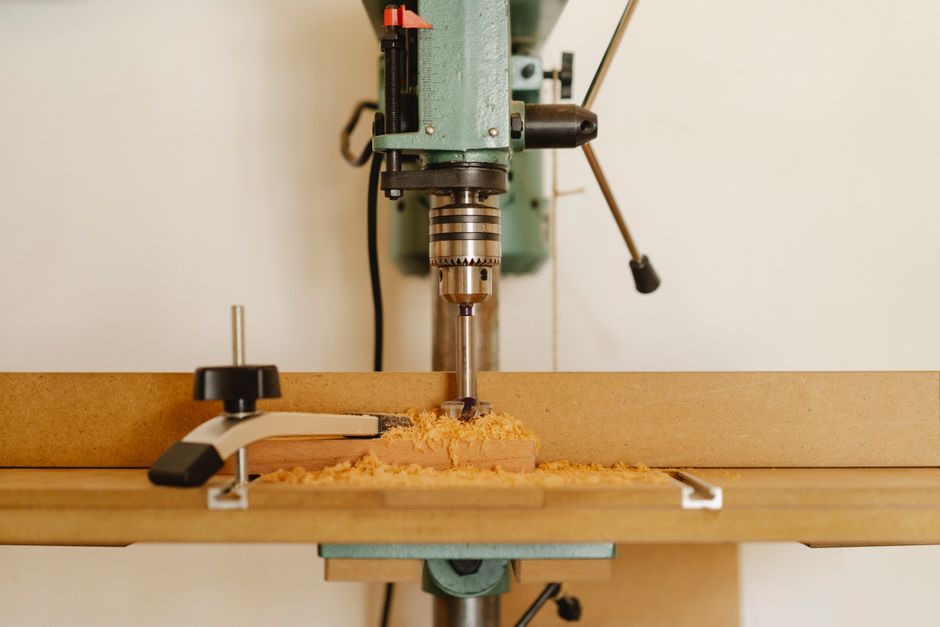
Bit costs also differ. 3/8 inch chuck bits cost slightly less than 1/2 inch versions, though the difference is minimal. You’ll spend more on a 1/2 inch chuck drill upfront, but the expanded bit compatibility and power often justify the investment for serious woodworkers.
Value Proposition Analysis
A 3/8 inch chuck drill offers excellent value for hobbyists and occasional users. You save money on the tool and bits while handling most common woodworking tasks. Professional woodworkers justify the 1/2 inch chuck investment through increased productivity and reduced frustration. Consider your annual tool budget and how many years you’ll use the drill before deciding.
- Entry-level 3/8 inch: $50-100, adequate for home projects.
- Mid-range 3/8 inch: $100-150, good features and durability.
- Entry-level 1/2 inch: $75-150, increased versatility.
- Professional 1/2 inch: $200+, premium power and reliability.
Key Takeaway: The 3/8 inch chuck costs less upfront, while the 1/2 inch chuck offers better long-term value for serious woodworkers.
How Do You Choose the Right Chuck Size for Your Woodworking Needs?
Start by honestly assessing your woodworking style and project frequency. Write down the three types of projects you tackle most often. Note the bit sizes you use regularly. If most bits fall under 1/4 inch diameter, the 3/8 inch chuck handles your needs perfectly. If you frequently use bits larger than 3/8 inch, the 1/2 inch chuck becomes essential.
Visit a tool retailer and hold both chuck sizes. Feel the weight difference. Imagine using each drill overhead and in tight spaces. Many woodworkers find that hands-on testing reveals their preference better than specifications alone. Your comfort and confidence with the tool matter as much as its technical capabilities.
Decision-Making Framework
- Choose 3/8 inch if: you’re a hobbyist, prefer lightweight tools, work in tight spaces, or drill mostly small holes.
- Choose 1/2 inch if: you’re a professional, need maximum versatility, use large bits regularly, or work with hardwoods.
- Consider both if: your budget allows and you want one tool for every situation.
- Test first: borrow or rent both types before purchasing.
Budget constraints matter too. If you can only afford one drill, the 1/2 inch chuck provides greater long-term flexibility. You can use smaller bits in a larger chuck, but you cannot use larger bits in a smaller chuck. This one-way compatibility favors the larger size for future-proofing your tool investment.
Key Takeaway: Match chuck size to your typical project types, material choices, and bit sizes, testing both options when possible.
What Practical Tips Help You Get the Most from Your Drill Chuck?
Regardless of chuck size, proper technique extends tool life and improves results. Always use sharp bits. Dull bits require excessive force and can slip in the chuck. Check your chuck’s tightness before each project. A loose chuck causes bit wobble and poor hole quality. Tighten by hand or with the chuck key, then remove the key before operating.
Match bit shank diameter to your chuck capacity. Never force an oversized bit into a chuck. This damages the chuck and creates safety hazards. Conversely, very small bits in large chucks can slip during operation. Use adapter sleeves or bit reducers for better grip when necessary.
Chuck Maintenance and Safety Steps
- Clean chuck jaws monthly with a dry brush to remove sawdust and debris.
- Tighten the chuck fully before operation, then remove the chuck key.
- Inspect bits for damage before installation and replace worn or broken bits.
- Use appropriate speed settings: slower for large bits, faster for small bits.
- Secure your workpiece to prevent rotation and binding.
- Wear safety glasses to protect from flying debris.
Lubricate chuck jaws sparingly with light machine oil twice yearly. This prevents corrosion and maintains smooth operation. Never use heavy grease, which attracts sawdust and gums up the mechanism. If your chuck becomes difficult to tighten or loosen, disassemble and clean it thoroughly before applying lubricant.
Key Takeaway: Maintain your chuck through regular cleaning, proper bit selection, and careful operation to maximize tool life and performance.
Which Drill Models Best Represent Each Chuck Size Category?
Several excellent drill options exemplify each category. For 3/8 inch chucks, the DeWalt DCD771C2 stands out as a popular, affordable option trusted by hobbyists and homeowners. This compact drill delivers solid performance for general woodworking and light construction tasks. Its lightweight design makes it ideal for overhead work and detailed projects where maneuverability matters.
For 1/2 inch chucks, professional-grade cordless drills from DeWalt, Makita, and Milwaukee dominate the market. The Makita XFD131 represents an excellent mid-range choice with robust power and reliability. These tools cost more initially but provide years of dependable service for serious woodworkers. If you’re comparing options, the Makita XFD131 versus DeWalt DCD771C2 comparison offers valuable insights into feature differences and performance characteristics.
Key Takeaway: Popular models demonstrate that both chuck sizes have quality representatives across various price points and performance levels.
Frequently Asked Questions
Can I use a 3/8 inch bit in a 1/2 inch chuck?
Yes, absolutely. A 3/8 inch bit fits easily in a 1/2 inch chuck. The chuck simply closes around the smaller shank. This is one advantage of larger chucks—they accommodate smaller bits without any issues. However, very small bits may spin in the chuck if it’s not tightened properly.
Is a 1/2 inch chuck always better than 3/8 inch?
Not necessarily. While 1/2 inch chucks offer more power and versatility, 3/8 inch chucks excel for precision work and lightweight applications. The “better” choice depends on your specific projects and preferences. Many woodworkers own both types for different tasks.
What’s the maximum bit size for each chuck?
A 3/8 inch chuck holds bits with shank diameters up to 3/8 inch. A 1/2 inch chuck accommodates bits up to 1/2 inch diameter. Some specialty bits may have different shank sizes than their cutting diameter, so always check compatibility before purchasing.
Do chuck size differences matter for cordless drills?
Yes, chuck size matters equally for cordless and corded drills. The same power and versatility advantages apply to both types. Battery voltage and motor power also influence performance, but chuck size remains a critical specification for determining bit compatibility and clamping force.
Can I upgrade my 3/8 inch chuck to a 1/2 inch chuck?
Most consumer drills don’t allow chuck upgrades because the spindle size is designed for the original chuck. Professional-grade drills sometimes accept interchangeable chucks, but this requires matching spindle specifications. Consult your drill’s manual before attempting any modifications.
Which chuck size is better for hardwood drilling?
The 1/2 inch chuck is generally superior for hardwood drilling because of its increased torque and stability with larger bits. Hardwoods like oak and maple resist cutting, requiring more rotational force. The 3/8 inch chuck can handle hardwoods with smaller bits but may struggle with larger diameters.
Should You Choose a 1/2 Inch or 3/8 Inch Chuck Drill for Your Woodworking?
The decision between 1/2 inch and 3/8 inch chuck drills ultimately reflects your woodworking style, budget, and project requirements. Hobbyists and homeowners tackling occasional projects find the 3/8 inch chuck perfectly adequate. Its lighter weight, lower cost, and sufficient power for common tasks make it an excellent entry point into woodworking. Professional woodworkers and those planning long-term tool investments benefit from the 1/2 inch chuck’s versatility and power.
Consider your bit collection and typical projects before deciding. If you already own larger bits or plan to purchase them, the 1/2 inch chuck prevents future limitations. If your projects center on furniture and detail work, the 3/8 inch chuck’s maneuverability and precision serve you better. Many experienced woodworkers maintain both drills, using each for its specific strengths. Test both options whenever possible, and don’t hesitate to start with the lighter, more affordable 3/8 inch chuck if budget constraints apply. You can always upgrade later as your skills and project complexity grow.
Key Takeaway: Choose based on your primary project types and bit sizes, knowing that 3/8 inch suits hobbyists while 1/2 inch serves professionals best.









Write Your Review
No reviews yet. Be the first to share your experience!