

What Are the Main Differences Between Dozuki, Ryoba, and Kataba Saws?
Quick Answer: Dozuki saws feature thin, reinforced blades for precise crosscuts and joinery. Ryoba saws have dual edges—one for crosscutting, one for ripping—on a single blade. Kataba saws are single-edged tools designed specifically for ripping or crosscutting. Each serves distinct woodworking needs. Understanding these differences helps you select the right saw for your project.
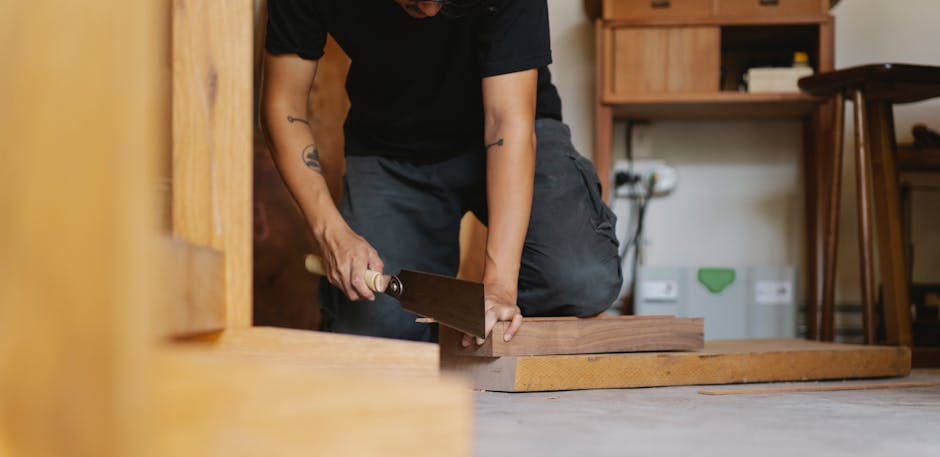
Japanese saws have been refined over centuries. They differ fundamentally from Western saws in design, technique, and application. These three types represent the core categories used by craftspeople worldwide. Choosing correctly improves precision, reduces fatigue, and produces cleaner cuts with less material waste.
Key Takeaway: Dozuki, ryoba, and kataba saws each excel in different cutting scenarios based on blade design and edge configuration.
What Makes the Dozuki Saw Unique?
The dozuki saw is the precision specialist among Japanese saws. Its blade is thin, typically 0.3–0.5 mm thick, and reinforced with a thick metal spine running along the top. This spine prevents flexing during fine cuts. The blade is single-edged with fine teeth designed for crosscutting and detailed joinery work.
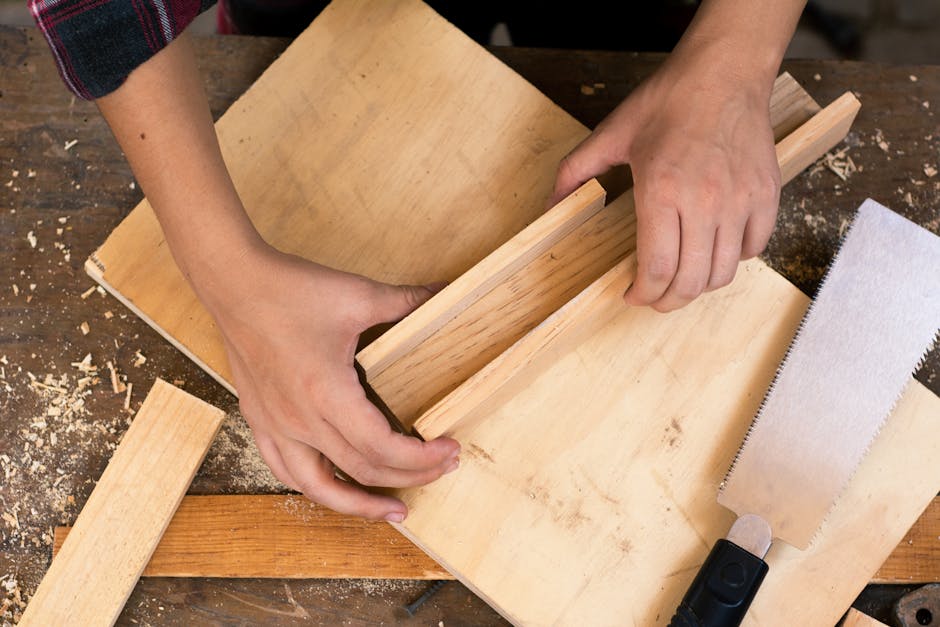
Dozuki saws excel in creating clean, accurate joints. Woodworkers use them for dovetails, mortises, and tenons. The reinforced spine allows controlled, delicate cuts without binding. They work best on hardwoods and require a pulling stroke technique, unlike Western push-stroke saws.
Dozuki Blade and Tooth Characteristics
Dozuki blades typically feature 12–20 teeth per inch. The teeth are small and closely spaced. This design creates fine sawdust rather than large chips. The narrow kerf—the width of material removed—minimizes waste and maximizes precision.
- Blade thickness: 0.3–0.5 mm with reinforced spine.
- Tooth count: 12–20 TPI for fine crosscutting.
- Kerf width: Minimal, reducing material loss.
- Cutting stroke: Pull stroke, not push.
- Best for: Joinery, detail work, hardwoods.
Key Takeaway: Dozuki saws deliver unmatched precision for delicate woodworking tasks requiring clean, accurate cuts.
How Does the Ryoba Saw Differ from Single-Edged Saws?
The ryoba saw is the versatile workhorse. It features two cutting edges on a single blade: one for crosscutting and one for ripping. This dual-edge design eliminates the need to carry two separate saws. The blade is thicker and less reinforced than a dozuki, allowing more aggressive cuts.
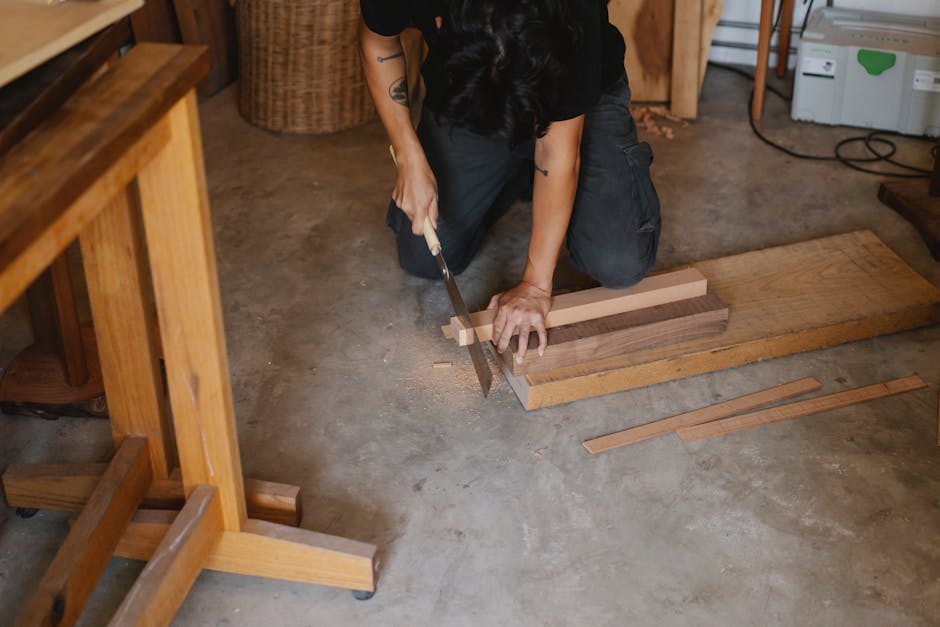
Ryoba saws handle a wider range of cutting tasks. One edge has 10–12 teeth per inch for ripping along the grain. The other edge has 15–17 teeth per inch for crosscutting. This flexibility makes ryoba saws ideal for general carpentry and construction work where speed matters more than extreme precision.
Ryoba Blade Configuration and Performance
Ryoba blades are typically 1.2–2.0 mm thick without a reinforcing spine. The dual edges require careful handling to avoid dulling the unused edge. The larger kerf width removes more material but allows faster cutting progress.
- Blade thickness: 1.2–2.0 mm without spine reinforcement.
- Rip edge: 10–12 TPI for cutting with the grain.
- Crosscut edge: 15–17 TPI for cutting across the grain.
- Cutting stroke: Pull stroke for both edges.
- Best for: General carpentry, mixed cutting tasks, speed.
The ryoba’s versatility comes with trade-offs. Neither edge matches the precision of a specialized dozuki or kataba. The dual-edge design requires more maintenance to keep both sides sharp.
Key Takeaway: Ryoba saws combine ripping and crosscutting capabilities in one tool, sacrificing some precision for versatility.
What Defines the Kataba Saw’s Single-Purpose Design?
The kataba saw is a specialized single-edged tool. Unlike the ryoba, it has only one cutting edge. Kataba saws come in two varieties: rip kataba and crosscut kataba. Each is optimized for its specific cutting direction. The blade is unreinforced and typically thicker than a dozuki, allowing aggressive, efficient cuts.
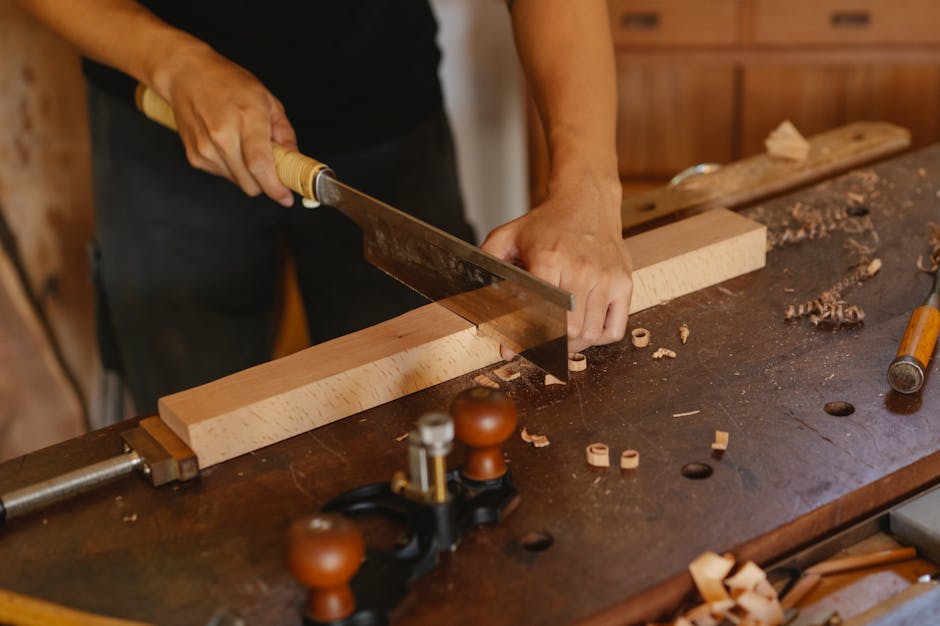
Kataba saws are common in professional carpentry and timber framing. Rip kataba saws feature 8–10 teeth per inch for fast cutting along the grain. Crosscut kataba saws have 12–15 teeth per inch. Professionals choose kataba over ryoba when they perform primarily one type of cut repeatedly.
Kataba Tooth Design and Cutting Efficiency
Kataba teeth are larger and more aggressive than dozuki teeth. The wider kerf and coarser tooth pattern produce faster material removal. This makes kataba saws ideal for rough work and production cutting where precision is secondary to speed.
- Blade thickness: 1.5–2.5 mm, no spine reinforcement.
- Rip kataba: 8–10 TPI for grain-direction cutting.
- Crosscut kataba: 12–15 TPI for perpendicular cuts.
- Cutting stroke: Pull stroke, high speed possible.
- Best for: Production work, rough cuts, timber framing.
Key Takeaway: Kataba saws provide specialized, high-speed cutting for either ripping or crosscutting, but not both.
How Do Blade Thickness and Spine Reinforcement Affect Performance?
Blade thickness and spine design dramatically impact saw behavior. The dozuki’s thin blade and reinforced spine prevent flexing during delicate cuts. This rigidity enables precision but limits cutting speed and requires lighter hand pressure. The spine also adds weight, which some users find tiring during extended work.
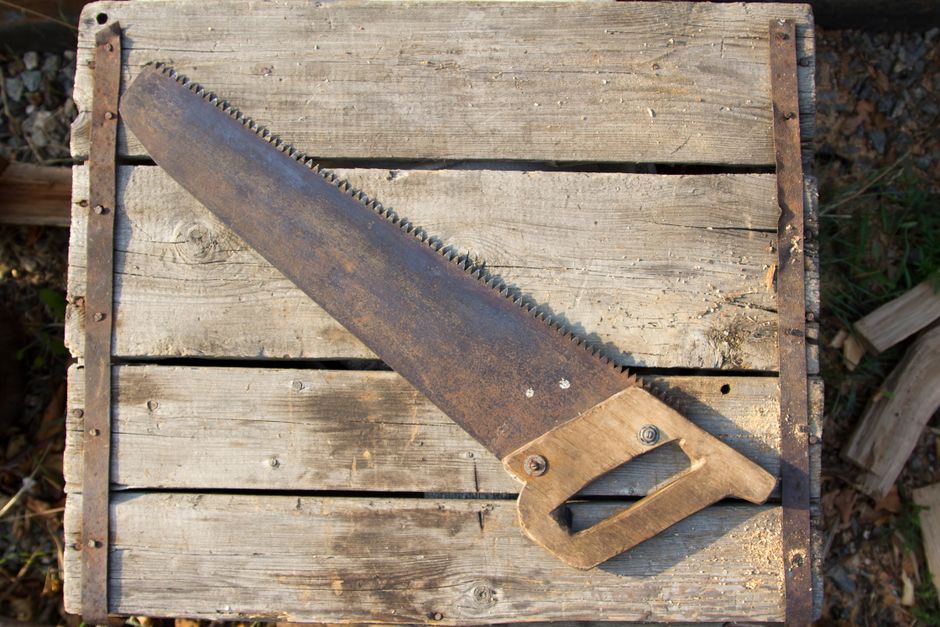
Ryoba and kataba blades lack spines, making them more flexible. This flexibility allows faster cutting with less hand pressure. However, it reduces precision on delicate work. The user must maintain proper stroke alignment to prevent binding or wandering.
Spine Design Trade-offs
The reinforced spine on a dozuki is a precision tool’s signature feature. It prevents the blade from twisting or flexing sideways. This control is essential for joinery work where accuracy is critical. The trade-off is reduced speed and higher initial cost.
- Dozuki spine: Enables precision, reduces speed, adds cost.
- Ryoba flexibility: Allows faster cuts, requires technique.
- Kataba flexibility: Maximizes speed, demands skill to maintain line.
- Blade thickness range: 0.3 mm (dozuki) to 2.5 mm (kataba).
Key Takeaway: Spine reinforcement trades speed for precision—choose based on your primary cutting needs.
Which Saw Should You Choose for Your Woodworking Project?
Selecting the right saw depends on your project type and skill level. Beginners often start with a ryoba saw for its versatility. Experienced craftspeople invest in specialized tools: a dozuki for joinery, a kataba for production work. Budget and storage space also matter—owning multiple saws requires commitment.
Practical Selection Guide
- Choose dozuki for: Dovetails, mortises, tenons, fine joinery, hardwood detail work.
- Choose ryoba for: General carpentry, mixed cutting tasks, learning Japanese saws, limited tool space.
- Choose kataba for: Production cutting, timber framing, rough work, high-volume ripping or crosscutting.
Beginner Recommendations
New users should start with a ryoba saw. It teaches proper pulling-stroke technique without overwhelming specialization. Once comfortable, add a dozuki for fine work. Professional carpenters typically own both ryoba and specialized kataba saws for different tasks.
Budget 40–150 USD for a quality ryoba, 60–200 USD for a dozuki, and 50–180 USD for a kataba. Japanese saw quality varies significantly. Reputable brands from Japan offer better edge retention and longevity than budget alternatives.
Key Takeaway: Start with a ryoba saw, then add specialized tools as your skills and projects demand them.
Frequently Asked Questions
Can I use a dozuki saw for ripping?
Dozuki saws are designed for crosscutting and joinery, not ripping. Their fine teeth and thin blades resist the sideways pressure required for grain-direction cuts. Using a dozuki for ripping dulls the teeth quickly and produces poor results. Use a rip kataba or ryoba rip edge instead.
What is the main advantage of a ryoba saw’s dual edge?
The ryoba’s dual edge eliminates carrying two separate saws. One blade handles both ripping and crosscutting, reducing tool weight and storage needs. This versatility makes ryoba saws popular for general carpentry and construction work where space is limited.
Do Japanese saws require special sharpening techniques?
Japanese saws require specialized sharpening knowledge. Most users send them to professional sharpeners rather than attempting DIY maintenance. The pull-stroke design and fine teeth demand precision sharpening. Dull Japanese saws are typically replaced rather than resharpened by amateurs.
Is a kataba saw better than a ryoba for professionals?
Professionals often prefer kataba saws for specific high-volume tasks. A rip kataba cuts grain-direction wood faster than a ryoba rip edge. However, ryoba saws remain popular for versatility on mixed-task jobs. The choice depends on whether speed or flexibility matters more.
What tooth count should I choose for fine crosscutting?
For fine crosscutting, select 15–20 teeth per inch. Dozuki saws in this range deliver the cleanest cuts for joinery. Ryoba crosscut edges typically have 15–17 TPI. Higher tooth counts create finer sawdust and smoother surfaces but require lighter hand pressure.
Can Western woodworkers easily learn to use Japanese saws?
Yes, Western woodworkers adapt to Japanese saws quickly. The main difference is the pull stroke instead of push. Most users master basic technique within a few projects. The learning curve is gentle, and the precision benefits justify the effort.
Which Japanese Saw Should You Buy in 2026?
Choosing between dozuki, ryoba, and kataba saws depends on your specific woodworking goals. Dozuki saws deliver unmatched precision for joinery and detail work. Ryoba saws offer versatile, balanced performance for general carpentry. Kataba saws maximize speed for production and specialized cutting tasks. All three pull-stroke designs outperform Western saws in precision and material efficiency.
Start with a ryoba saw if you are new to Japanese saws. Its dual edges teach proper technique without overwhelming specialization. As your skills develop, add a dozuki for fine joinery or a kataba for high-speed production work. Quality matters—invest in reputable brands that hold edges longer and deliver cleaner cuts.
Japanese saws have dominated precision woodworking for centuries. In 2026, they remain the gold standard for handwork. Whether you choose one saw or build a complete collection, understanding the differences between dozuki, ryoba, and kataba ensures you select the right tool for every project. Proper tool selection improves results, reduces fatigue, and makes woodworking more enjoyable.
Key Takeaway: Match your saw choice to your primary cutting needs—precision joinery demands a dozuki, versatility favors ryoba, and production speed calls for kataba.

Write Your Review
No reviews yet. Be the first to share your experience!