

What’s the Difference Between Temple Tools and Gyokucho Japanese Pull Saws?
Temple Tools and Gyokucho represent two distinct approaches to Japanese pull saw design and manufacturing. Both brands produce high-quality saws trusted by professional woodworkers and hobbyists, but they differ significantly in blade geometry, handle design, and cutting performance. Understanding these differences helps you select the right tool for your specific woodworking projects. Temple Tools focuses on innovation and ergonomic refinement, while Gyokucho emphasizes traditional craftsmanship and time-tested blade geometry. This comparison guide explores their strengths, weaknesses, and practical applications to help you make an informed decision in 2026.
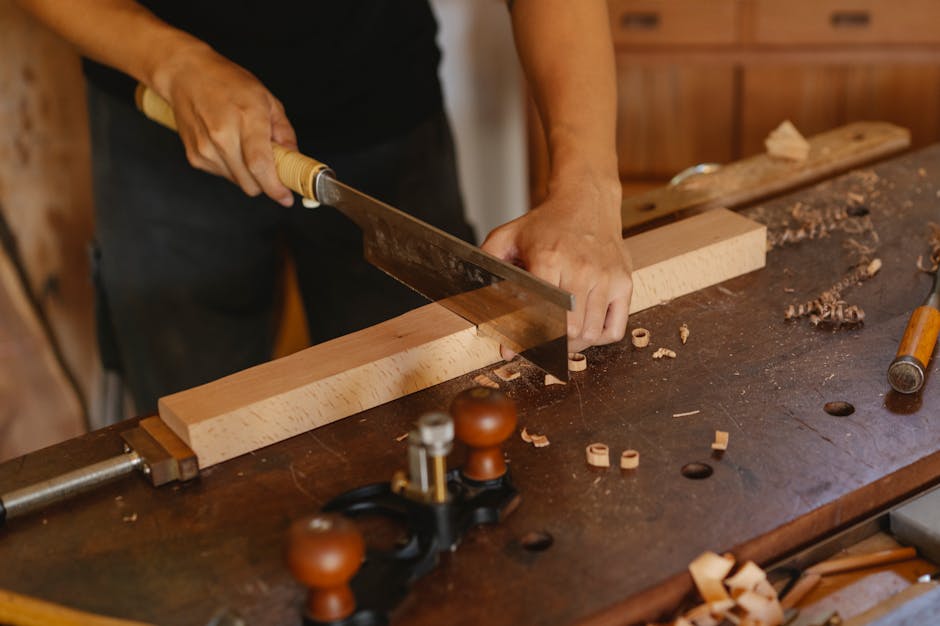
Japanese pull saws have revolutionized modern woodworking by offering superior cutting control and precision compared to Western push saws. The pull stroke leverages the user’s natural body mechanics, reducing fatigue during extended use. Both Temple Tools and Gyokucho have earned reputations for manufacturing saws that deliver clean, accurate cuts in hardwoods, softwoods, and engineered materials. However, each brand brings unique engineering philosophies to their products.
How Do Temple Tools Saws Compare in Blade Design and Performance?
Temple Tools saws feature innovative blade geometry developed through extensive research and user feedback. Their blades utilize a unique tooth configuration that reduces binding and improves cutting speed without sacrificing control. The company has invested heavily in modernizing traditional Japanese saw design while maintaining the fundamental advantages of pull-stroke cutting. Temple Tools offers a range of saw types, including ryoba (double-edged), kataba (single-edged), and specialized flush-cut models.
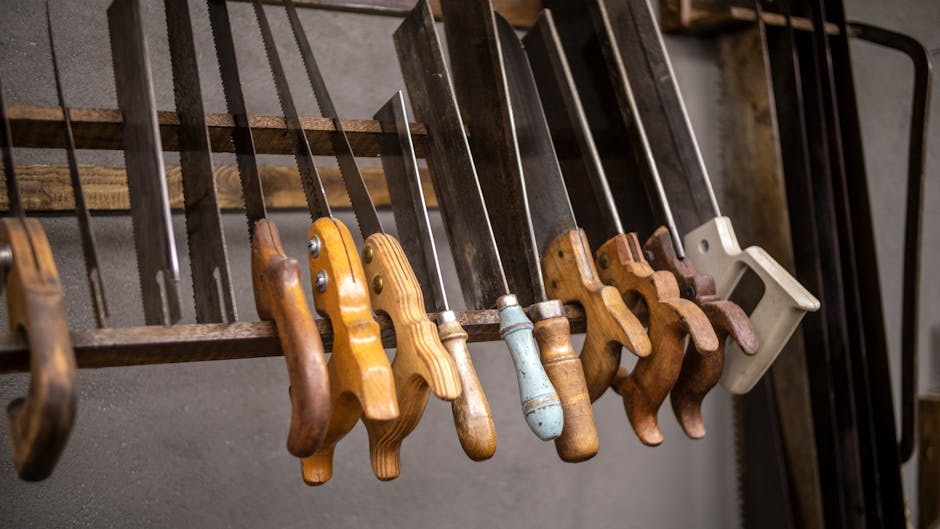
The blade thickness and tensioning in Temple Tools saws are optimized for modern woodworking applications. These saws cut slightly faster than traditional designs, making them ideal for production work and projects requiring speed. The handles are ergonomically designed with comfort in mind, reducing hand strain during long cutting sessions. Many users report that Temple Tools saws require less skill to use effectively compared to traditional Japanese saws.
Temple Tools Blade Specifications and Features
- Innovative tooth geometry reduces binding and improves cutting speed significantly.
- Thinner blades provide better visibility and precision during cuts.
- Modern handle designs distribute pressure evenly across the palm.
- Blades maintain sharpness longer than many competitor models.
- Available in multiple configurations: ryoba, kataba, and flush-cut versions.
Key Takeaway: Temple Tools prioritizes cutting speed and user comfort through modern engineering while maintaining traditional Japanese saw advantages.
What Makes Gyokucho Japanese Pull Saws Stand Out in 2026?
Gyokucho is one of Japan’s oldest and most respected saw manufacturers, with a heritage spanning over a century. The company maintains strict adherence to traditional manufacturing techniques while gradually incorporating modern quality control standards. Gyokucho saws are hand-forged and hand-sharpened by skilled craftspeople, ensuring each blade meets exacting standards. Their ryoba and kataba models are particularly popular among traditional woodworkers and Japanese carpentry enthusiasts.
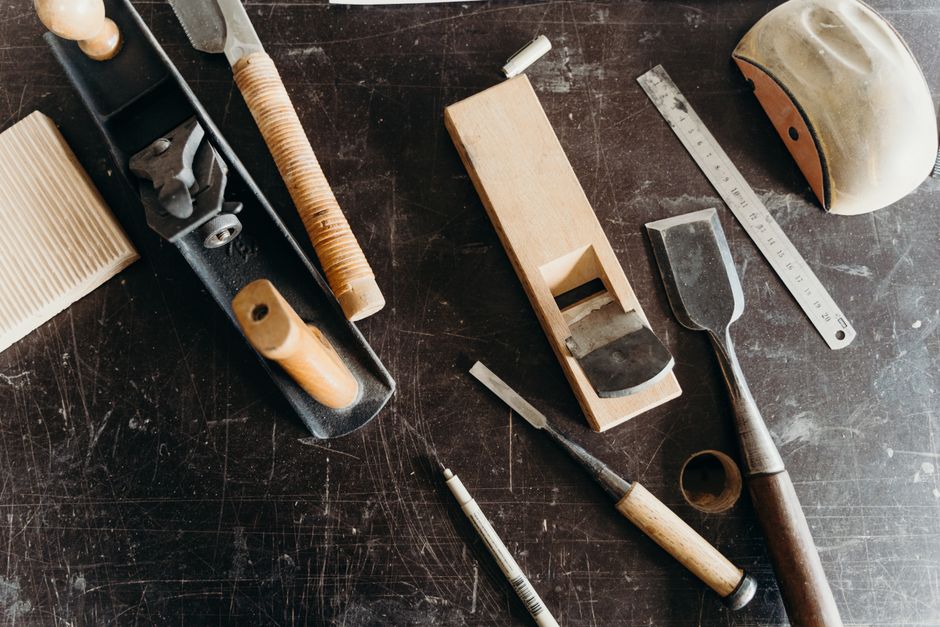
The blade geometry of Gyokucho saws reflects generations of refinement in Japanese woodworking practice. These saws cut slightly slower than modern designs but deliver exceptional surface quality and control. Users often praise the satisfying feedback and tactile experience of using a Gyokucho saw. The company sources premium steel and treats each blade with meticulous attention to detail, resulting in tools that can last decades with proper maintenance.
Gyokucho Manufacturing and Quality Standards
- Hand-forged blades using traditional Japanese metallurgy techniques.
- Each saw individually sharpened by experienced craftspeople.
- Premium high-carbon steel provides excellent edge retention.
- Blades exhibit superior surface finish quality after cutting.
- Company maintains rigorous quality control despite traditional methods.
Key Takeaway: Gyokucho delivers uncompromising quality and traditional craftsmanship for woodworkers who value precision and longevity.
How Do Price and Value Compare Between These Two Brands?
Temple Tools saws typically range from $60 to $200 depending on the model and blade length. Their pricing reflects modern manufacturing efficiency and competitive market positioning. You’ll find Temple Tools saws at most online retailers and specialty woodworking stores. The brand offers excellent value for users seeking reliable performance at accessible price points.
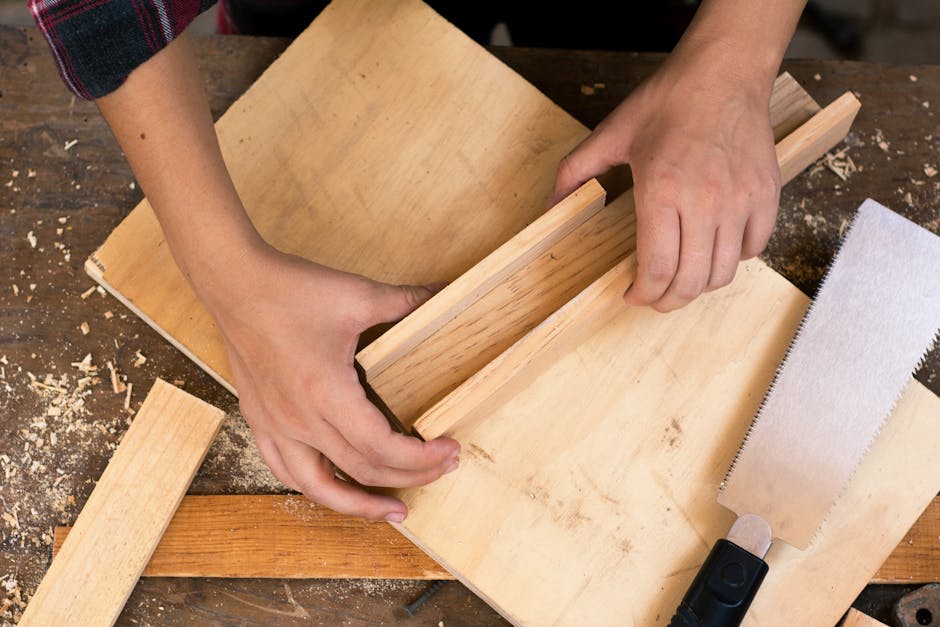
Gyokucho saws generally cost between $80 and $300, reflecting their hand-crafted nature and premium materials. Higher-end Gyokucho models represent significant investments but often outlast multiple Temple Tools saws if properly maintained. The price difference becomes less significant when calculated over the tool’s lifespan. Consider your budget, usage frequency, and long-term woodworking plans when evaluating cost versus value.
Price Comparison and Value Analysis
- Temple Tools: $60–$200 range with modern manufacturing efficiency.
- Gyokucho: $80–$300 range reflecting hand-crafted quality.
- Temple Tools offers faster return on investment for frequent users.
- Gyokucho provides superior longevity and resale value.
- Both brands offer warranties and customer support.
Key Takeaway: Temple Tools provides better value for budget-conscious woodworkers, while Gyokucho justifies premium pricing through durability and craftsmanship.
Which Saw Should You Choose for Your Woodworking Projects?
Your choice between Temple Tools and Gyokucho depends on your specific woodworking style, budget, and long-term goals. Choose Temple Tools if you prioritize cutting speed, modern ergonomics, and competitive pricing. This brand suits production work, furniture making, and projects where efficiency matters. Temple Tools saws are excellent for learning Japanese sawing techniques without significant financial commitment.
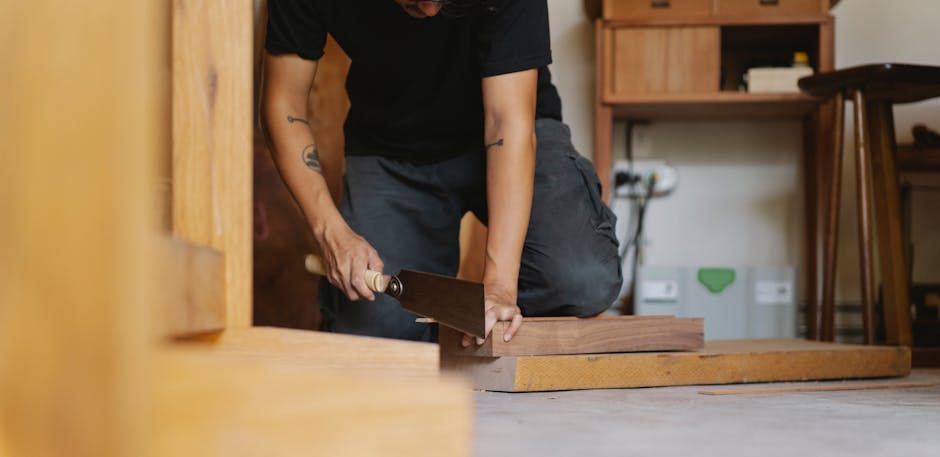
Select Gyokucho if you value traditional craftsmanship, superior surface quality, and exceptional durability. These saws excel in fine woodworking, restoration work, and projects demanding precision. Gyokucho is ideal for woodworkers planning to use the same saw for decades. The brand’s reputation and heritage appeal to craftspeople who appreciate tool quality as part of their practice.
Selection Guide Based on Woodworking Needs
- Production and efficiency work: Temple Tools offers faster cutting and modern design.
- Fine detail and precision: Gyokucho delivers superior surface quality and control.
- Learning Japanese techniques: Temple Tools provides accessible entry point.
- Long-term investment: Gyokucho justifies premium with decades of service.
- Mixed woodworking: Consider owning both brands for different applications.
Key Takeaway: Temple Tools suits efficiency-focused woodworkers, while Gyokucho serves craftspeople prioritizing quality and longevity.
What Are Practical Tips for Using and Maintaining Japanese Pull Saws?
Proper technique significantly impacts both cutting performance and saw longevity. Always let the saw do the work—avoid forcing the blade through material. Use smooth, controlled strokes at a consistent pace for optimal results. Keep your body positioned comfortably with the saw at approximately 45 degrees to the workpiece. These fundamentals apply equally to Temple Tools and Gyokucho saws.
Maintenance is critical for preserving your saw’s performance over time. Store saws in a dry location away from humidity and temperature fluctuations. Wipe blades clean after each use to prevent rust and pitch buildup. Apply a light coat of oil to the blade monthly, even if not in active use. Protect the blade with a simple wooden sheath or blade guard.
Essential Maintenance Steps
- Clean blades immediately after use with a dry cloth.
- Store in a cool, dry location away from direct sunlight.
- Apply light machine oil to blades monthly for rust prevention.
- Inspect teeth regularly for damage or dullness.
- Never force the saw—let the blade’s design do the cutting.
- Use a blade guard or wooden sheath for storage protection.
Professional sharpening services exist for both brands when blades become dull. Temple Tools and Gyokucho saws can be resharpened multiple times, extending their service life significantly. Many woodworkers develop relationships with local sharpening specialists who understand Japanese saw geometry. Proper sharpening maintains the original cutting characteristics and performance.
Key Takeaway: Proper technique and regular maintenance ensure both Temple Tools and Gyokucho saws deliver reliable performance for years.
How Do User Reviews and Community Feedback Compare These Brands?
Temple Tools users consistently praise the saws’ speed and modern ergonomic design. Community feedback highlights excellent value for money and reliable performance across various wood types. Many users appreciate the brand’s responsive customer service and accessible pricing. Online woodworking forums frequently recommend Temple Tools for beginners transitioning from Western saws.
Gyokucho enthusiasts emphasize the saws’ exceptional quality and satisfying cutting experience. Users report that Gyokucho saws develop a personal feel over time, improving with experience. The brand’s heritage and traditional manufacturing resonate strongly with serious woodworkers. Professional craftspeople and restoration specialists frequently choose Gyokucho despite higher costs.
Both brands maintain strong reputations in woodworking communities worldwide. User satisfaction remains high for both Temple Tools and Gyokucho across independent review platforms. The choice between them often reflects personal philosophy about tool use and woodworking practice rather than objective performance differences.
Key Takeaway: Both brands earn strong community approval—Temple Tools for value and modern design, Gyokucho for traditional quality.
Frequently Asked Questions
Are Temple Tools and Gyokucho saws compatible with the same replacement blades?
No, these brands use different blade mounting systems and specifications. Temple Tools and Gyokucho blades are not interchangeable. Each brand manufactures blades specifically engineered for their handle designs and cutting geometry. Always purchase replacement blades matching your saw’s brand and model number.
Can beginners use Gyokucho saws effectively, or are they only for experienced woodworkers?
Gyokucho saws work well for beginners, though they require more technique than Temple Tools models. The learning curve is steeper, but many woodworkers prefer starting with quality tools. Gyokucho’s responsive feedback actually helps beginners develop proper technique. Patience and practice yield excellent results for users of any skill level.
How often should Japanese pull saws be professionally sharpened?
Sharpening frequency depends on usage intensity and wood types. Heavy users might sharpen annually, while occasional woodworkers may wait two to three years. Signs of dullness include increased cutting resistance and ragged cut surfaces. Professional sharpening costs $30–$80 per saw, extending tool life significantly.
Do Temple Tools and Gyokucho offer warranty coverage for their saws?
Both brands provide limited warranties covering manufacturing defects. Temple Tools typically offers one-year warranty coverage from purchase. Gyokucho warranties vary by retailer but generally cover defective materials. Warranties don’t cover normal wear, improper maintenance, or user damage. Check specific product documentation for exact coverage details.
Which saw is better for cutting hardwoods like oak and maple?
Both brands handle hardwoods excellently, but with different characteristics. Temple Tools cuts faster through hardwoods with less user effort. Gyokucho delivers superior surface quality and control in hardwoods. Choice depends on whether you prioritize speed or cut quality. Many woodworkers use Temple Tools for rough work and Gyokucho for fine finishing cuts.
Can you use Temple Tools and Gyokucho saws for flush-cut applications?
Both brands offer specialized flush-cut models designed for this purpose. Gyokucho’s flush-cut saws are particularly renowned for precision and durability. Temple Tools flush-cut models provide faster operation with modern blade design. For serious flush-cut work, dedicated flush-cut saws outperform general-purpose ryoba or kataba models significantly.
Which Japanese Pull Saw Brand Should You Choose in 2026?
The decision between Temple Tools and Gyokucho ultimately reflects your woodworking priorities and philosophy. Temple Tools emerges as the superior choice for woodworkers emphasizing efficiency, modern design, and accessible pricing. Their innovative approach to Japanese saw design delivers reliable performance without requiring significant financial investment. This brand suits furniture makers, production woodworkers, and anyone learning Japanese cutting techniques.
Gyokucho represents the ideal investment for craftspeople prioritizing uncompromising quality and traditional craftsmanship. The hand-forged blades and meticulous manufacturing justify premium pricing for serious woodworkers. These saws reward proper technique with exceptional cutting experience and surface quality. Gyokucho appeals to restoration specialists, fine furniture makers, and woodworkers viewing tools as long-term investments.
Many experienced woodworkers maintain both brands in their tool collections, using each for appropriate applications. For your first Japanese pull saw, consider Temple Tools if budget matters or Gyokucho if you’re committed to traditional woodworking. Visit specialty retailers to handle both brands before deciding. Reading reviews on comparative guides like Zetsaw vs Gyokucho provides additional perspective. Understanding the differences between saw types helps ensure you select the right model for your needs. Regardless of your choice, both Temple Tools and Gyokucho deliver the precision and reliability that make Japanese pull saws indispensable in modern woodworking.
Key Takeaway: Choose Temple Tools for modern efficiency and value, or Gyokucho for traditional quality and long-term investment.


Write Your Review
No reviews yet. Be the first to share your experience!